

Letter from Me to You: Overfed Yet Undernourished
Letter from Me to You:Overfed Yet Undernourished
10. September 2026
🇷🇸 Srpska verzija se nalazi ispod engleskog teksta.
Dear Friend,
One of the most striking paradoxes of our time is that we have become a generation that is overfed yet undernourished. In the long natural history of our species, these two conditions were seldom found in the same body at the same time.
Our fast-paced, stressful modern lifestyles come with a heavy price. We are surrounded by an abundance of highly processed, energy-dense yet nutrient-poor foods, while our daily lives demand very little physical effort. As we speak, nearly half of all adults worldwide are living with overweight or obesity, and there is a growing sense that we are losing control. While global hunger has fallen over the past 30 years, no country has yet managed to reverse the rise of obesity once it has taken hold. As a consequence, chronic illnesses are rising, bringing immense daily struggles to people around the world.
Yet most of these conditions are shaped by the simplest, most human elements of our lives: what we eat and drink, how much we move, and how we respond to the weight of stress.
But what is the real promise behind the chocolate, the snacks, the alcohol, or the constant scrolling? Why are we drawn to foods designed to be so hard to resist? What makes us feel so passive, drained and lethargic, with barely any energy left to dance, run in the forest, ride a bike, or chase our children through the fields? What is truly missing in our lives?
Could it be that, through these comforting habits, we are unconsciously trying to feed our souls? Are we trying to soothe quiet feelings of discomfort, loneliness, stress, dissatisfaction or pain? Perhaps we are trying to regulate, or at least cover up, our inner emotional state by external means. At its core, this struggle is often not about food at all. It is about trying to fill an inner emptiness from the outside, substituting calories for the emotional nourishment we lack.
My experience shows exactly that. When it feels impossible to keep your good intentions, to eat mindfully or to exercise, it is not because you lack willpower, and certainly not because you aren’t trying hard enough. Very often, these habits are rooted in emotional dysregulation, not in a lack of discipline or information. Being overfed yet undernourished is a signal, not a failure.
Overfed Yet Undernourished: Beyond Willpower
As a physiologist and nutrition scientist, my work is to help people understand the delicate balance between the energy we take in through food and the energy we spend through movement. Yet on this professional journey, the most valuable lesson I have learned is this: unless they are addressed as a whole, emotional urges will often win over rational restraint.
Of course, it is important to understand how our metabolism works: how it spends energy through movement and stores energy from food. However, knowledge alone rarely leads to successful, lasting weight regulation unless the emotional dynamics driving our behaviours are also understood and addressed.
In practice, changing these habits can feel frightening. It asks us to look far beyond the food on our plates and the time we spend on the couch. Running from ourselves, and from whatever makes us feel uneasy, is exactly what can leave us feeling “dis-eased”. We turn to self-destructive behaviours, whether too much food (or too little), too little movement, or any other escape, simply to cope.
Unfortunately, our medical and educational systems often keep us stuck by chasing quick fixes. They too often overlook the deep unity of mind and body, limiting our capacity to fully recover and thrive. Yet science increasingly shows that we are bio-psycho-social beings: our bodies cannot be separated from our minds and our relationships. Unhealthy body weight is often a physical sign of the unresolved emotional burdens we carry inside. This is why so many of us end up overfed yet undernourished. Many of the same psychological factors that shape our stress, motivation and impulse control also shape the way we eat and move.
To me, promoting this holistic path to health is far more than a matter of academic expertise. It is my life’s passion. Drawing on over 20 years of experience in humanitarian field missions with the Red Cross, in hospital settings and in university research, I founded Equiliberty Consulting. I wanted to create a space that unites rigorous, science-based knowledge with genuine human empathy.
My mission is to help you transform your health by transforming your relationship with yourself, not based on the approval of others, but rooted in authentic self-acceptance.
At first, this journey may bring the quiet grief of letting go of who you thought you had to be, or who the world wanted you to be. But in time, that grief fades. It is replaced by a deep sense of liberation, an invitation to live a richer, more authentic and healthier life. No longer overfed yet undernourished, but truly nourished in body and soul.
Let us take this road together, in the name of health, balance and liberty.
Welcome to Equiliberty.
Warmly,
Dr. Katarina Melzer

🇷🇸
Dragi prijatelju,
Jedan od najupečatljivijih paradoksa našeg vremena jeste to što smo postali generacija koja je istovremeno gojazna, a duboko neuhranjena. To su dve karakteristike koje se, u dugoj prirodnoj istoriji ljudske vrste, nikada nisu nalazile u istom telu u isto vreme.
Naš moderan, brz i stresan način života plaćamo visokom cenom. Okruženi smo izobiljem visoko prerađene hrane koja je bogata energijom, ali osiromašena hranljivim materijama, dok su naši svakodnevni životi uglavnom lišeni fizičkog napora. Trenutno se svaka druga osoba na svetu bori sa viškom kilograma i čini se da ubrzano gubimo kontrolu. Iako je stopa gladi u svetu u poslednjih 30 godina postepeno opadala, rast gojaznosti do sada nijedna zemlja nije uspela da zaustavi. Kao posledicu toga, vidimo porast hroničnih bolesti širom sveta. Stvarnost je, međutim, da je većina ovih oboljenja uzrokovana sasvim jednostavnim stvarima: onim što jedemo i pijemo, time koliko se krećemo i načinom na koji reagujemo na stres.
Ali šta nam to stvarno obećavaju čokolada, grickalice i alkohol? Zašto nas toliko privlači hrana koja je dizajnirana da izazove zavisnost? Šta nas to čini tako pasivnim, iscrpljenim i letargičnim — sa tek mrvom energije za ples, trčanje u šumi, vožnju bicikla ili jurnjavu sa decom po poljani? Šta nam to istinski nedostaje u životu?
Da li je moguće da kroz ove navike koje nam pružaju utehu podsvesno pokušavamo da nahranimo svoju dušu? Da li pokušavamo da umirimo duboka, tiha osećanja nelagode, izolacije, nezadovoljstva ili bola? Možda očajnički pokušavamo da regulišemo — ili barem prikrijemo — svoje unutrašnje emotivno stanje koristeći spoljna sredstva. U svojoj srži, ova borba uopšte nije oko hrane; reč je o pokušaju da hranom nadomestimo unutrašnju prazninu koju osećamo.
Moje iskustvo pokazuje upravo to. Kada vam se čini potpuno nemogućim da se pridržavate zdravog načina života — da jedete svesno ili da redovno vežbate — to nije zato što vam nedostaje snaga volje, a sigurno nije ni zato što se ne trudite dovoljno. Vaše navike su ukorenjene u emotivnoj disregulaciji, a ne u nedostatku discipline ili znanja.
Kao nutricionisti i fiziologu, moj posao je da pomognem ljudima da razumeju igru ravnoteže između energije koju unosimo ishranom i energije koju trošimo kretanjem. Ipak, na ovom profesionalnom putu najvrednija lekcija koju sam naučila jeste sledeća: ukoliko se zdravlju ne pristupi holistički, emotivni nagoni će uvek pobediti racionalna ograničenja. Naravno da je važno razumeti način na koji naš metabolizam funkcioniše — kako troši energiju kroz kretanje ili kako skladišti energiju kroz unos hrane. Međutim, samo znanje teško da će doneti uspešnu, dugotrajnu regulaciju težine ukoliko se emotivna dinamika koja pokreće naše zavisničke oblike ponašanja takođe pravilno ne razume i ne reši.
U praksi, menjanje ovih navika može delovati neverovatno zastrašujuće. Ono nas primorava da pogledamo daleko dalje od samog jelovnika i mnogo dalje od vremena koje pasivno provodimo u krevetu. Bežanje od samih sebe i od stvari koje nam stvaraju nelagodu jeste upravo ono što nas čini nezdravim. Prepuštamo se autodestruktivnom ponašanju — bilo da je to preveliki unos hrane (ili premali) ili pak nedostatak kretanja — a sve to nam služi samo jednom cilju: da što bezbolnije preživimo dan.
Nažalost, naš moderni medicinski i obrazovni sistem nas često drži zaglavljenima nudeći brza rešenja. Oni ne uspevaju da prepoznaju duboko jedinstvo uma i tela, čime ograničavaju našu stvarnu sposobnost da se u potpunosti oporavimo i napredujemo. Ipak, nauka pruža neosporan dokaz da smo mi bio-psiho-socijalna bića. Naša biologija i fiziologija su potpuno neodvojive od našeg uma i naših odnosa. Nezdrava telesna težina je često samo fizički znak nerešenih emotivnih tereta koje nosimo duboko u sebi. Potpuno isti psihološki faktori koji regulišu naš stres, našu motivaciju i našu kontrolu impulsa jesu oni koji određuju naše obrasce ishrane i fizičke aktivnosti.
Za mene je promovisanje ovog holističkog puta ka zdravlju mnogo više od akademske stručnosti — to je moja životna misija. Nakon 20 godina rada u humanitarnim misijama Crvenog krsta, bolnicama i univerzitetskim laboratorijama, osnovala sam Equiliberty Consulting. Želela sam da stvorim prostor koji spaja naučna istraživanja sa iskrenom ljudskom empatijom okrenutom praksi. Moja misija je da vam pomognem da transformišete svoje zdravlje i odnos prema sebi — ne da bi vas drugi prihvatili, već da biste vi istinski prihvatili sami sebe.
U početku, ovo putovanje može doneti nelagodu zbog otpuštanja onoga što ste mislili da morate biti, ili onoga što je svet očekivao od vas. Ali na kraju, ta nelagoda nestaje. Nju zamenjuje duboki osećaj oslobođenja — poziv da živite bogatiji, autentičniji i zdraviji život. Krenimo ovim putem zajedno, u ime zdravlja, balansa i slobode.
Dobrodošli u Equiliberty.
Srdačno,
Dr Katarina Melzer
Why We Overeat: Hunger, Appetite and the Search for Quick Fixes
Why We Overeat:Hunger, Appetite and the Search for Quick Fixes
10. September 2026
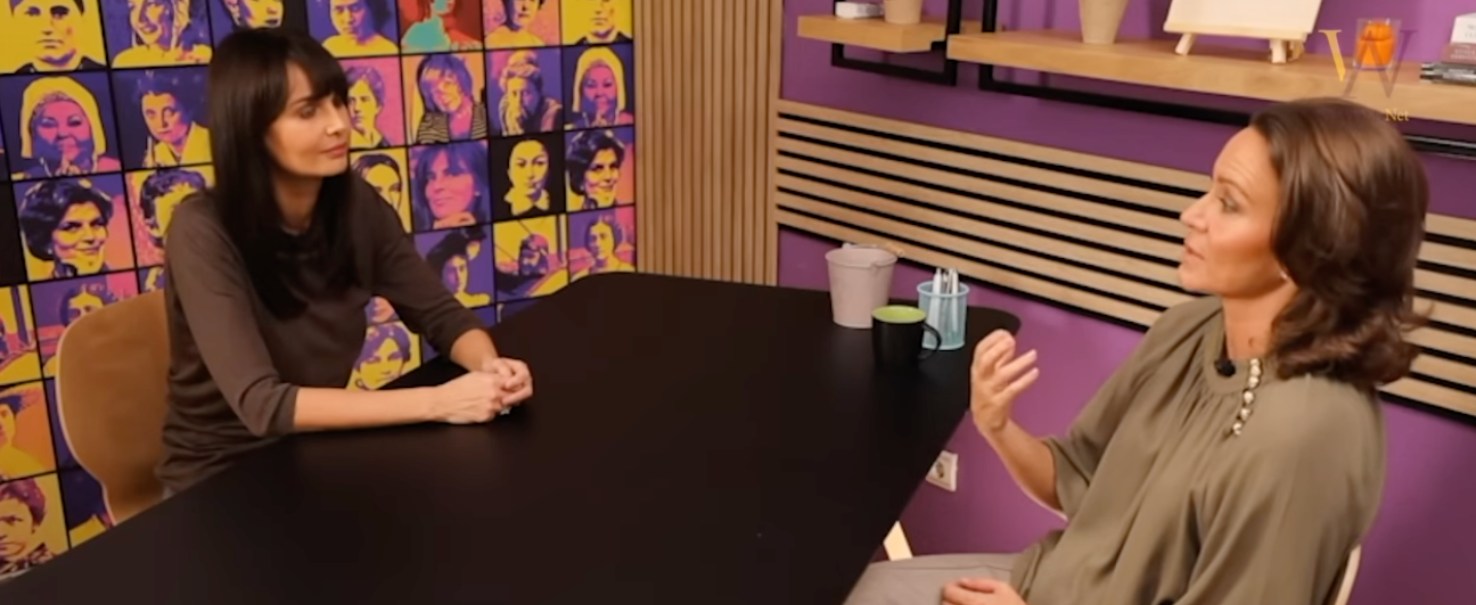
Why we overeat: what I shared in the Woman Net podcast
I was a guest of Nataša Pavlović in the Woman Net podcast. We did not talk about yet another meal plan, but about the real reasons why we gain weight, why we overeat, and why losing weight is so hard, even when we seem to be “doing everything right”. The conversation has been watched more than 190,000 times on YouTube, which tells me how many people are looking for answers beyond diets.
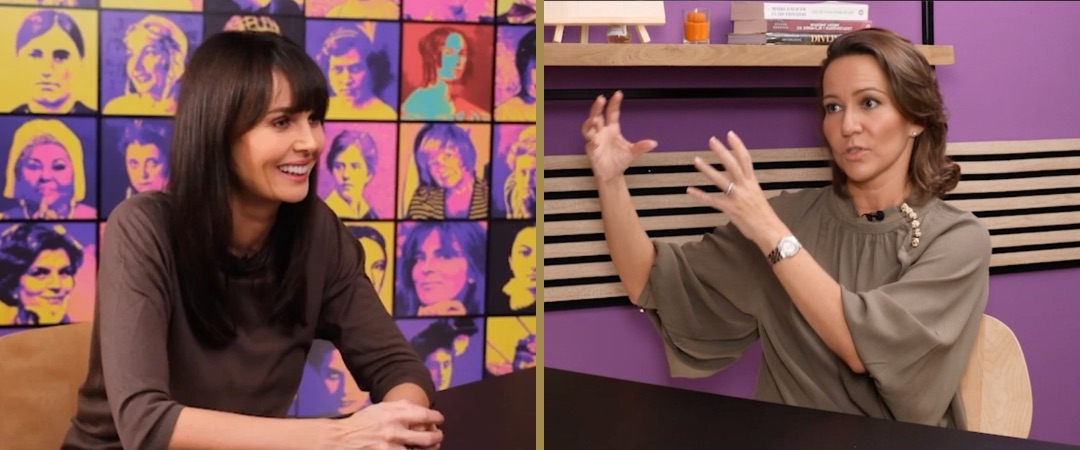
Watch the full podcast on YouTube
Here are the five messages I consider the most important.
1. Hunger is a need, appetite is a desire
Our physiological need for food is driven by hunger. When the body signals low energy, it triggers the impulse to eat. Once we have eaten, we feel satiation, or fullness.
This need is not the same as our emotional desire for food, which is governed by appetite. Here, we give food an emotional value and expect it, often unconsciously, to make up for a lack in some other area of our lives. We may feel anxious, tired, emotionally empty, uncomfortable in our own skin, depressed or under stress. Some of these feelings may not be recent at all, but go back to unprocessed experiences from childhood or adolescence.
In such moments, what we are trying to satisfy with food are not physiological needs, but psychological and emotional ones.
2. We ask “how”, but rarely “why”
Only a few people openly question the deeper causes of their eating behaviour. We deal with consequences, not causes. We say: “Yes, I know, I ate too much chocolate”, or “I know, I can’t stop eating at night”. But we rarely ask: “Why am I so attached to chocolate? Why am I looking for emotional comfort in food?”
Opening up to sensitive emotional issues is often painful, and the more it hurts, the more we avoid it. This is the core of the problem, and in most cases it remains unconscious.
3. Why we overeat even when we want to stop
People do not overeat because they consciously choose to. They overeat because, in that moment, they cannot stop.
It is like driving a car. You have the steering wheel in your hands, you are driving at a certain speed, and suddenly someone appears in front of you. You want to stop, but you have no control over the brake.
4. How we grow up shapes how we treat ourselves
The environment we grow up in is extremely important. If we are born into a home that lacks stability, empathy, time and dedication, we never learn to give ourselves proper time and attention. We become impatient with our own needs.
How can we be patient with ourselves when we do not feel we deserve it? How can we value ourselves if we were never valued? Instead, we put ourselves and our health in second or third place, and settle for a “quick fix”.
5. Why quick fixes are so attractive
This is exactly why “overnight success” programmes are so popular. They speak to people who struggle with self-control, impulse regulation and patience, including patience with themselves, and who are therefore strongly drawn to promises of fast results.
So before jumping to solutions that stay at the physical level, a new diet or a new fitness programme, it is worth taking a moment to look inwards and to understand the emotional dynamics behind our eating behaviour.
From “sick care” to health care
Obesity is not only about nutrition and exercise, but also about psychology and emotions. Very often, the real source of the problem is not food itself, but our emotional attachment to it.
Our medical systems still focus mostly on “sick care” rather than “health care”: they treat us once we are ill, but do little to help us stay healthy. Real prevention means looking at the whole person, including our emotions and our relationship with food, long before illness begins.
In their own words
Many viewers left comments under the podcast. Here are a few of them (translated from Serbian, with the original below).
“I have listened to so many podcasts on weight loss, but this conversation is on a completely different level. Depth, precision and clarity without oversimplification, which is rare. No instant solutions, no empty promises, but an understanding of why the body and mind do what they do. This is content that changes perspective, not just weight.” „Slušala sam zaista mnogo podcasta na temu mršavljenja, ali ovaj razgovor je na potpuno drugom nivou. Dubina, preciznost i jasnoća bez banalizacije – retkost. Nema instant rešenja, nema prodaje magle, već razumevanje zašto telo i psiha rade to što rade. Ovo je sadržaj koji menja perspektivu, ne samo kilažu.” — YouTube viewer
“Finally, a true view of those of us who went through childhood traumas, and the traumas of dieting ups and downs. Bravo, and thank you for raising awareness.” „Napokon pravi pogled na nas koji smo prolazili kroz sve te traume iz detinjstva, a i traume kroz up and down sa dijetama. Bravo i hvala vam na osvešćenju.” — YouTube viewer
“I came back several times to listen again. Excellent guest! Thank you for the knowledge and the truth about obesity and weight loss.” „Vraćala sam se par puta da odslušam emisiju. Odlična gošća! Hvala za znanja i istinu o gojaznosti i mršavljenju.” — YouTube viewer
“This is such a useful video. A wonderful, knowledgeable guest.” „Ovo je tako koristan video. Divna i stručna gošća.” — YouTube viewer
“Big applause for the professionalism… great respect.” „Veliki aplauz za profesionalnost… veliko poštovanje.” — YouTube viewer
Nutrition, physical activity and emotions
This is why my work always brings together three pillars: nutrition, physical activity and emotions. Only when we look at all three can lasting change begin.
My warm thanks to Nataša Pavlović and the Woman Net team for this conversation, and to everyone who watched, listened and shared their experiences. If you would like me to speak at your event, podcast or organisation, write to me at melzer@equiliberty.org.
What Really Drives Obesity: Food, Movement… or Emotions?
What Really Drives Obesity:Food, Movement… or Emotions?
10. September 2026
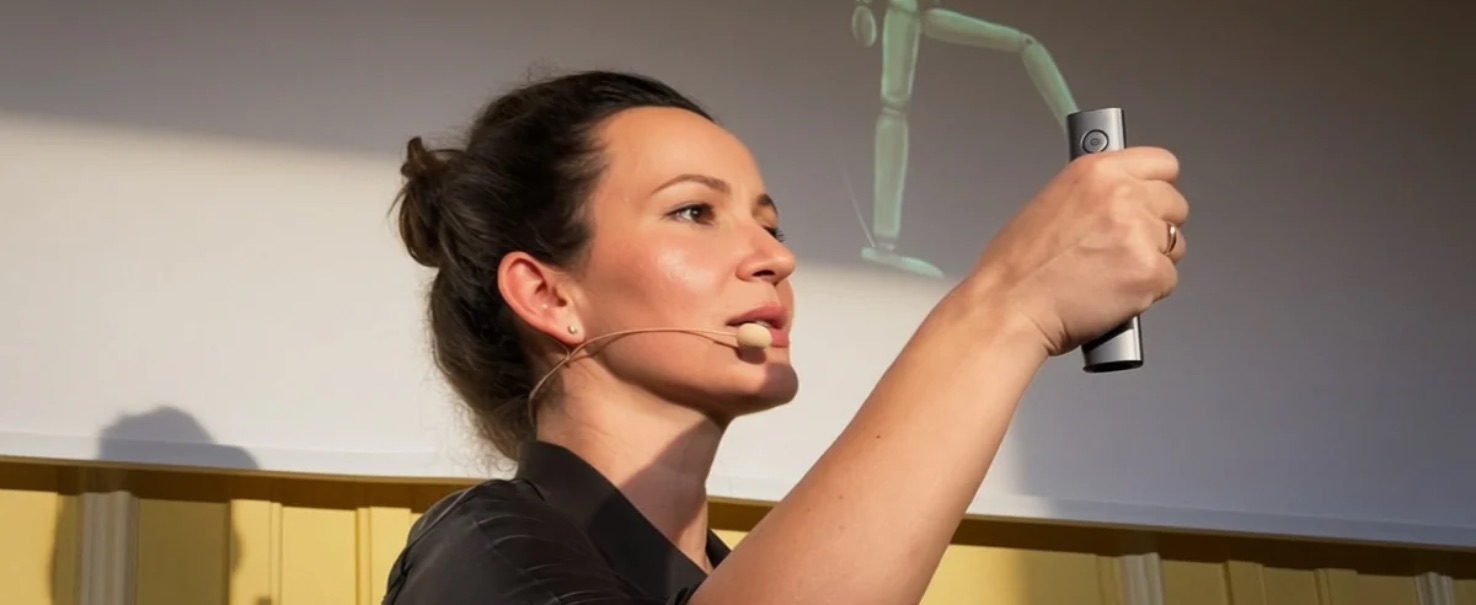
What drives obesity? What I shared at Longevity Science for All in Geneva.
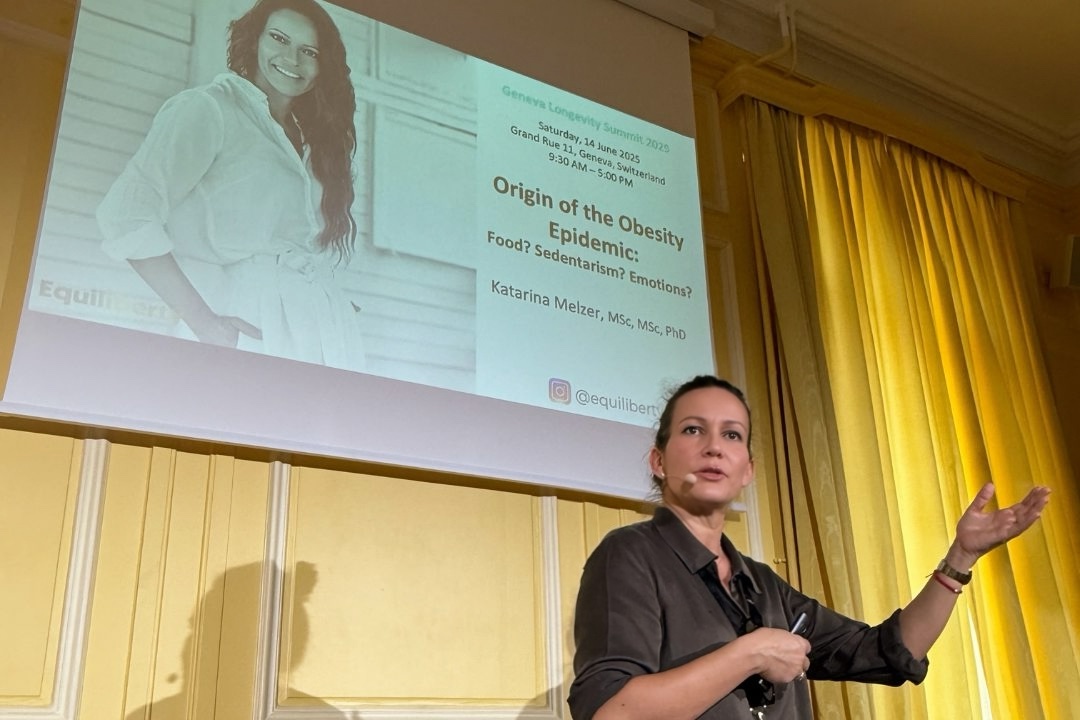
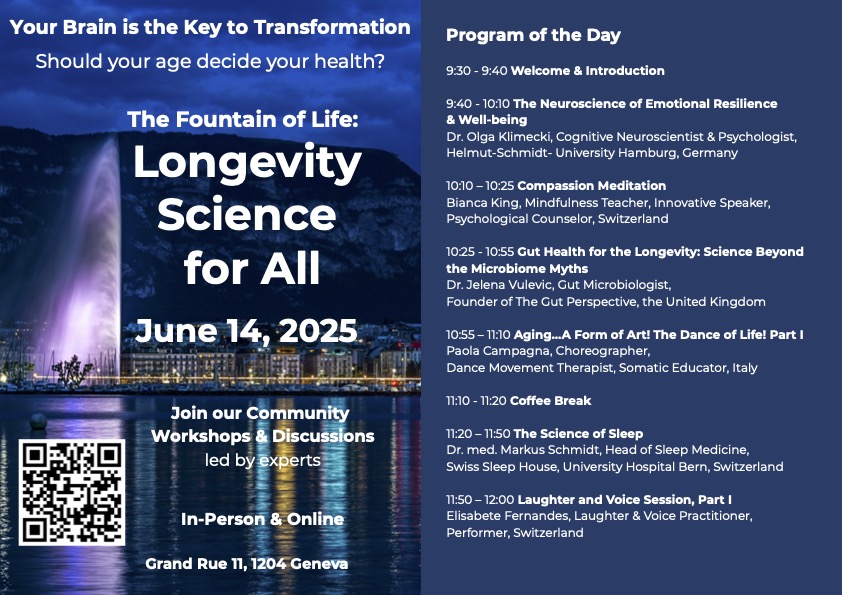
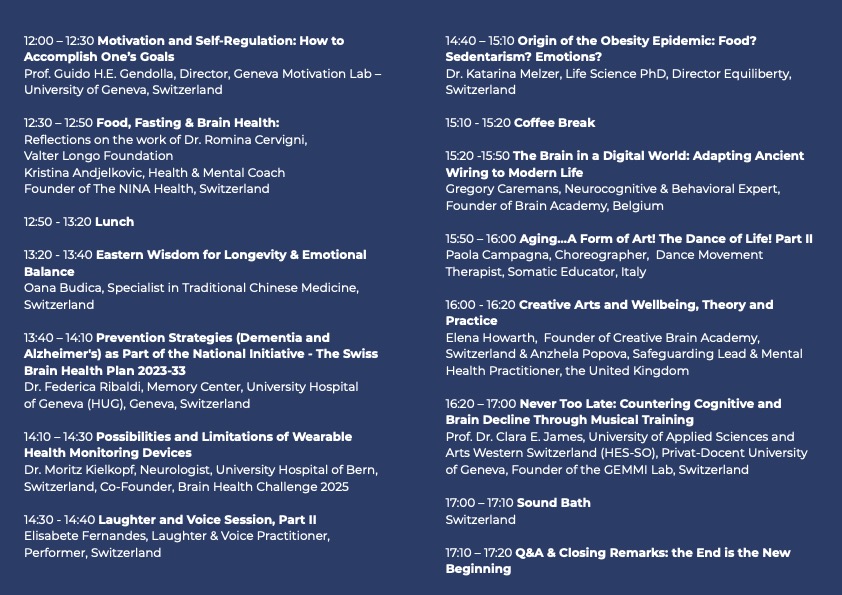
On 14 June 2025, Geneva hosted a special day: The Fountain of Life: Longevity Science for All, a summit aligned with the Swiss national initiative on Brain Health. Under one roof, neuroscientists, physicians, sleep specialists, psychologists, artists and movement therapists explored one question: Should your age decide your health?
I was honoured to be among the speakers, with a talk titled “Origin of the Obesity Epidemic: Food? Sedentarism? Emotions?”
Here is what drives obesity, in my view.
The magic formula that doesn’t hold
We all know the rule: eat less than you expend, and you will lose weight. It is physics, the first law of thermodynamics, and it holds true. Yet since 1990, obesity has more than doubled among adults and quadrupled among adolescents. On the brink of the greatest medical achievements in history, we have become unhealthy people obsessed with a healthy lifestyle.
Genes cannot fully explain it. Our genetics have not changed in the last 50,000 years, while obesity exploded in just a few decades. Genetics may predispose us, but predisposition is not predetermination.

What drives obesity: three messages from my talk
1. Knowing HOW we gain weight is necessary, but it is not complete. We must also ask WHY. Food density, satiety, macronutrients, exercise intensity and duration all explain HOW we gain weight, and I spent years studying them. But WHY we eat when we are not hungry is the root cause, and the true starting point of any lasting treatment. Hunger is the body’s need. Appetite is often the mind’s desire: to relax, to escape fatigue, loneliness, stress or old pain.
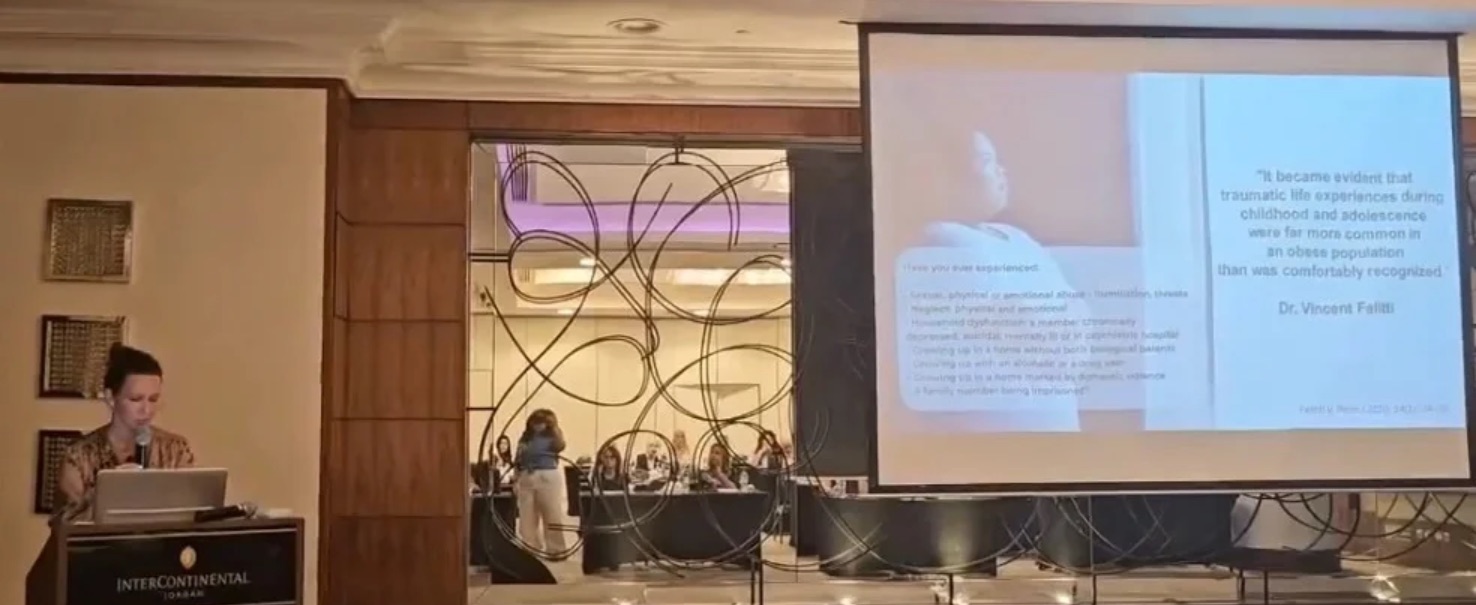
In the 1980s, Dr. Vincent Felitti saw his patients lose a great deal of weight on strict diets, and then regain it. Their life stories revealed something unexpected: difficult childhood experiences were far more common than anyone had recognised. This led to the landmark Adverse Childhood Experiences (ACE) study. It showed that adverse childhood experiences are strongly linked to obesity, addictions and chronic disease decades later. Weight regain was not a lack of willpower: for many, food had become a way to cope.
2. Self-regulation is not innate. It is developed. Like a plant that needs sunlight, water and good soil, the brain builds its control system in relationship with its environment, from before birth through childhood. When that environment is stressful, self-regulation may not fully develop. Impulse control is then weaker, and resisting urges, including the urge to eat, becomes much harder. So instead of asking “What is wrong with you? Why can’t you stop eating?”, we should ask “What happened to you, that eating beyond your body’s needs became so hard to control?”
And this is not about blaming parents. Parents, too, carry their own wounds, from war, poverty, work or their own childhood. Every parent loves their child. The question is whether they had the emotional resources to show it reliably. We all pass on patterns, not out of bad intentions, but because we could not do better. Compassion between generations is part of healing.
3. Food can act as a reward, not just as fuel. The brain’s reward system, driven largely by dopamine, is less about having and more about seeking. When self-regulation is weak, this drive can attach itself to food, just as it can to alcohol, shopping or work. That is why “I just love chocolate” is not always passion. In passion, we are in charge. In addiction, the urge is in the driving seat.
Why what drives obesity matters for lasting health
We are bio-psycho-social beings. Our physiology is inseparable from our mind and our relationships. Unless managed holistically, emotional urges will always beat rational restraint. That is why my work always brings together three pillars: nutrition, physical activity and emotions.
Thank you, Geneva
It was a joy to share the stage with such inspiring experts, from emotional resilience and sleep science to music, dance and laughter. Days like this remind me that longevity is not only about adding years to life, but life to years.
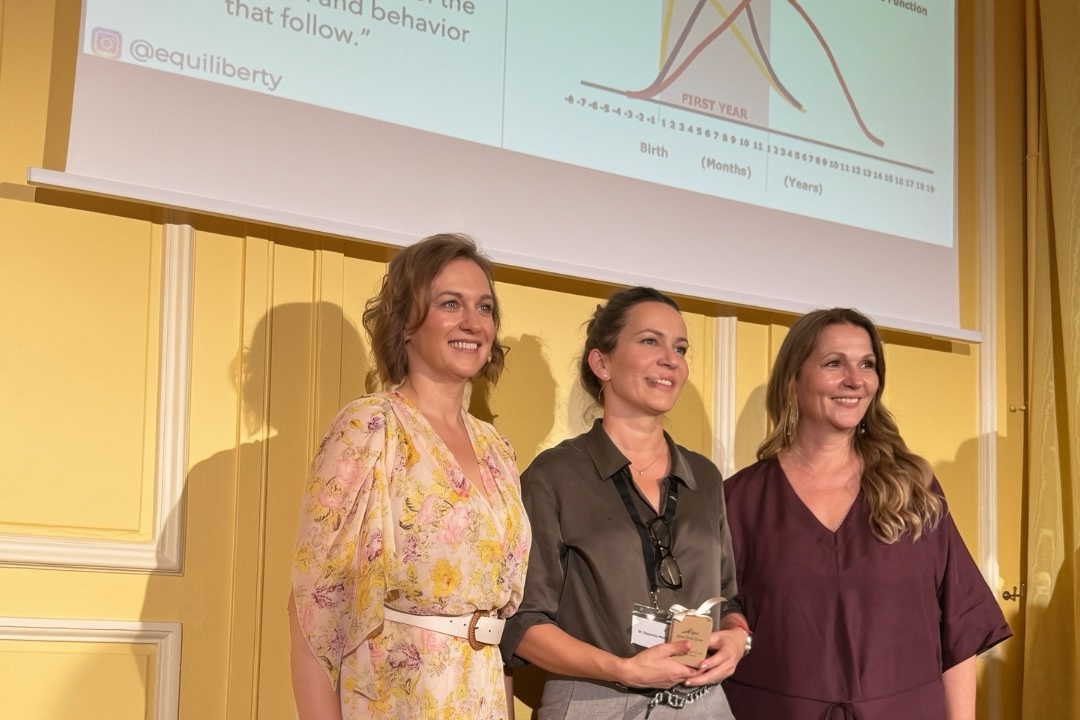
I look forward to the next opportunities to meet, learn and exchange.
If you would like me to speak at your event or organisation, write to me at melzer@equiliberty.org.
Be balanced, be free
Why Does the Weight Come Back? Inside the Woman Net Programme
Why Does the Weight Come Back?Inside the Woman Net Programme
10. September 2026
What I teach in the Woman Net 12-week weight-loss programme
Most people who have tried to lose weight know this story: the diet works for a while, the kilos go down, and then, slowly or suddenly, they come back. Often with a few extra.
So the question I hear most often is not “how do I lose weight?” but “why does the weight come back?”
My answer is simple, and it is the starting point of everything I teach: a meal plan, however good, is not enough in the long run unless we find the cause of the excess body weight.
A programme built on causes, not quick fixes
I was invited by Nataša Pavlović, founder of Woman Net and host of the TV show “Praktična žena” on TV Prva, to be the lead expert of the Woman Net 12-week weight-loss programme. The programme is fully online, in Serbian, and brings together a team of experts: a psychiatrist, psychotherapists, clinical psychologists, a nutritionist-dietitian, a physical education teacher, a yoga instructor and a pharmacist.
My lessons have one clear focus: bringing scientific knowledge into everyday practice.
What we explore together
Here are some of the topics I cover in the programme:
- What makes us gain weight, and what led to today’s obesity epidemic
- Genes or environment: how much is inherited, and how much is shaped by the world we live in
- How adverse or traumatic experiences throughout life can shape our relationship with food and the development of obesity
- How to recognise an unhealthy relationship with food
- Quick fixes: why the search for fast solutions keeps failing us
- Impulse control: why is it so hard to say no?
- Food as a drug: can we become addicted to food?
- Energy density: which characteristics of food push us to eat too much
- Small changes in behaviour, big results in weight loss
“Why did no one ever tell me this?”
This is the reaction I hear most often after the lessons. Many participants have spent years blaming themselves for a lack of discipline. What they were missing was not willpower, but understanding: of their body, of their emotions, and of the environment around them.
Without understanding our relationship with food, as well as the environment we live in and the experiences we carry with us, the kilos will keep coming back. With that understanding, sustainable habits and lasting change become possible.
Nutrition, physical activity and emotions
Lasting weight regulation is never about one factor alone. That is why my work always brings together three pillars: nutrition, physical activity and emotions.
My warm thanks to Nataša Pavlović, to the whole Woman Net team, and to every woman who has trusted the programme. If you would like me to speak at your event or work with your organisation, write to me at melzer@equiliberty.org.
Moving Through Cancer: Why Physical Activity Matters
Moving Through Cancer: Why Physical Activity Matters
10. September 2026
What I taught for the ESPEN Life-Long Learning Programme in Amman, Jordan
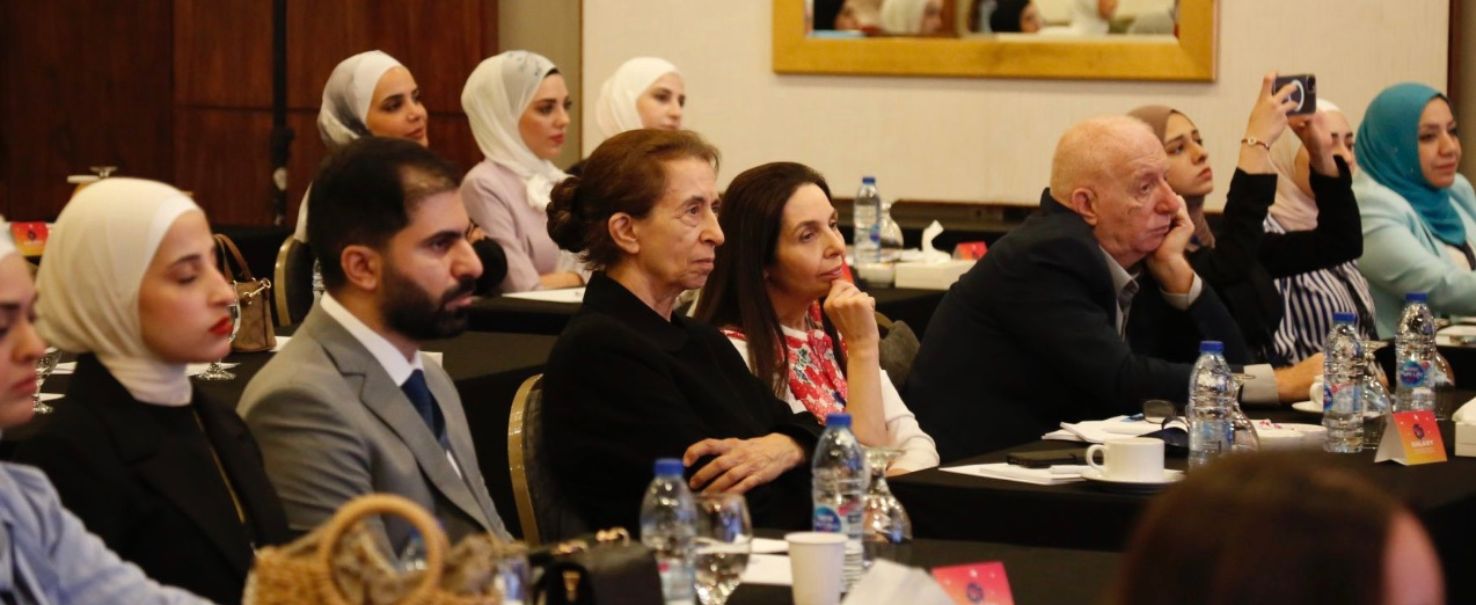
On my third day of teaching in Amman, Jordan, in July 2024, for the ESPEN Life-Long Learning (LLL) Programme of the European Society for Clinical Nutrition and Metabolism, I turned to a topic that is still too often overlooked: physical activity and exercise training in people living with cancer.
 For a long time, patients were simply told to rest. Today we know that, for most people, the opposite is true: moving, in the right way and at the right dose, is part of the treatment.
1. When the body wastes away: cancer cachexia
The word “cachexia” comes from the Greek “kakos” and “hexis”, meaning “poor physical state”. It describes the weakness and wasting of the body that can come with severe chronic illness, including cancer.
In cancer, cachexia is a complex syndrome defined by an ongoing loss of skeletal muscle mass, with or without loss of fat mass. It is often accompanied by inflammation, loss of appetite, anaemia and weakness. Importantly, it can be partly, but not entirely, reversed by conventional nutritional support.
What makes cachexia different from ordinary weight loss is that it happens without trying. Cancer causes the immune system to release chemicals called cytokines into the blood, which create inflammation. This inflammation makes the body burn more energy than it should, so it breaks down muscle and fat to fuel itself. Patients can become very weak, and more vulnerable to infections.
Cachexia is also different from anorexia, the loss of appetite and food intake. With anorexia, people lose mostly fat at first, and only with a weight loss of some 25% or more do they lose a lot of muscle too. With anorexia, on the other hand, eating more or taking nutritional supplements helps regain the weight. With cachexia, food alone is not enough.
2. Cancer affects the whole of physical function
Cancer and most anti-cancer treatments reduce physical function and independence. Physical function is not only about cardiorespiratory fitness, the ability to deliver oxygen from the air to the muscles to produce energy. It also depends on muscular fitness, what the muscles can do with that oxygen once it arrives, and on how well we tolerate breathlessness and fatigue.
Muscular fitness is often already reduced at the time of diagnosis, because of age, lifestyle and other illnesses. Cachexia then changes both the quantity and the quality of muscle, meaning how much force each unit of muscle can produce. The result is a faster loss of independence in everyday life.
3. Exercise is safe, and it helps
Physical activity and exercise are safe and acceptable before, during and after cancer treatment, across all cancer types. During and after treatment, exercise is associated with improvements in both physical and psychological outcomes: better fitness, less fatigue, less anxiety and depression, better sleep and a better quality of life.
Higher levels of physical activity are also generally associated with a lower risk of dying in survivors of breast, colon and prostate cancer. This link is biologically plausible, through effects on sex hormones, inflammation, immune function and antioxidant pathways. Exercise training may also reduce some side effects of chemotherapy and help more patients complete their treatment. However, the side effects of anti-cancer treatment can sometimes limit how much fitness and muscle strength patients gain from training.
4. The right exercise, at the right dose
The full potential of exercise is most likely to be reached with a careful, individual prescription. As a long-term goal, the American College of Sports Medicine recommends at least 150 minutes of moderate or 75 minutes of vigorous exercise per week. Patients who already reach this level should keep it up during therapy, or ideally increase it by varying how often, how hard, how long and what kind of exercise they do. Those who are not yet there start with a gentle introductory programme and build up step by step.
Most studies have used moderate aerobic training, such as walking or cycling, about three times a week. Adding resistance exercise, which targets muscle strength and mass, is particularly relevant in cachexia, where weak muscles directly limit daily life. Resistance training is usually added once aerobic exercise has become a habit.
Combining the results of 28 trials, one large analysis showed that exercise clearly improved upper and lower body muscle strength and lower body function. The effects were larger when sessions were supervised, when resistance exercise was included, and when sessions lasted more than 60 minutes. In other words, there is a dose-response: more, and better guided, exercise brings more benefit.
5. Exercise and nutrition belong together
In people with incurable cancer, cachexia is so common that any rehabilitation programme should also include nutritional support. Patients who started with a better nutritional or physical condition, and with less inflammation, were more likely to complete such combined programmes.
6. Safety first
Exercise must be adapted to each person’s situation. High-intensity activity should be avoided when the immune system is weakened, or during severe pain, fatigue or fragile bone health. Chemotherapy can lower the number of neutrophils, the white blood cells that fight infection, a condition called neutropenia. It can also lower platelets, the blood cells that help wounds close, a condition called thrombocytopenia. In such situations, training should be limited and guided by a physician, and extra care taken to avoid infections and injuries.
7. What stands in the way
How physical activity is proposed to patients makes a real difference. Symptoms such as breathlessness and fatigue can discourage them, especially if they get worse during or after activity. Many patients lack confidence about how to exercise safely and fear overdoing it, causing harm or making the disease progress.
Simple programmes, with walking as the main activity, can be very useful. Home and community programmes can help without the need for specialist centres, and group programmes in the community tend to work better than exercising alone at home.
Professionals matter too. Many clinicians feel they lack knowledge about the benefits and risks of exercise, and some do not realise how much it can help, especially patients with a poor prognosis. Brief goal setting and clear instructions on what to do can help patients reach the recommendations.
Moving forward
Cancer affects not only the body, but also how we feel and live. Supporting patients means bringing together the three pillars that guide all my work: nutrition, physical activity and emotions.
My warm thanks to ESPEN and to all the participants in Amman for three inspiring days of teaching. If you would like me to speak at your event or organisation, write to me at melzer@equiliberty.org.
Be balanced, be free
Beyond BMI: How We Really Assess and Prevent Obesity
10. September 2026
Beyond BMI: How We Really Assess and Prevent Obesity
What I taught for the ESPEN Life-Long Learning Programme in Amman, Jordan
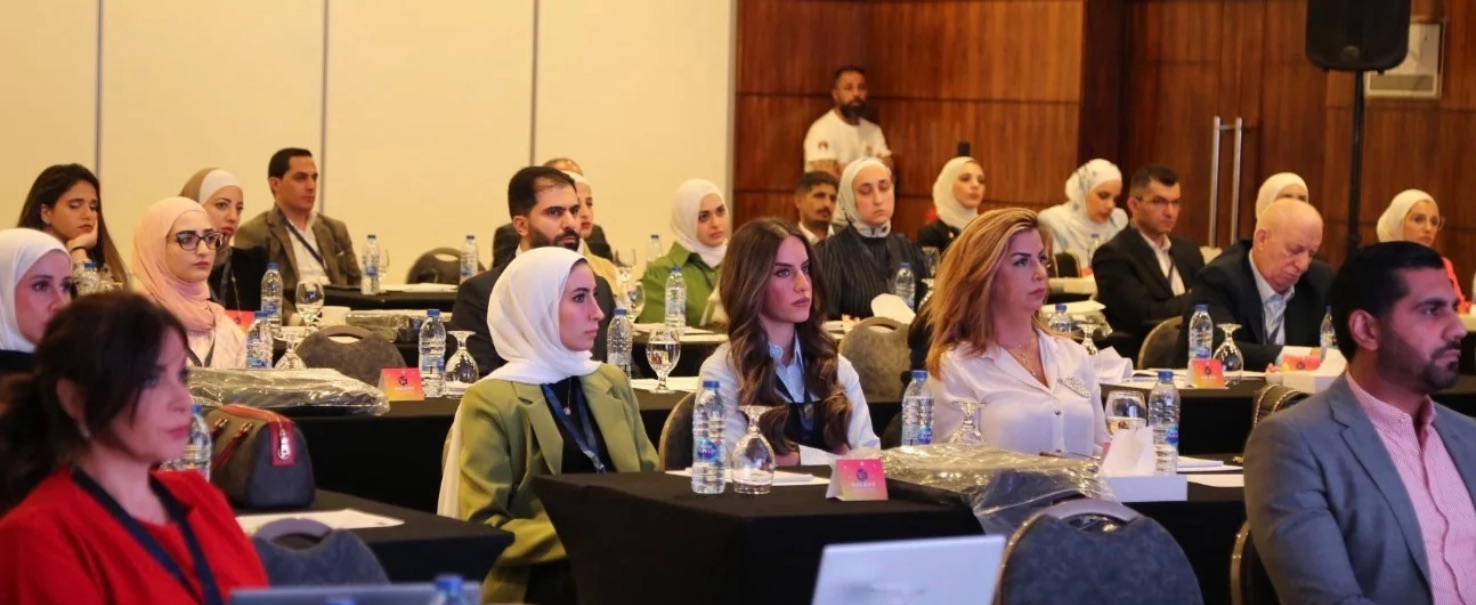
In July 2024, after my seminar for the Trizara Nutrition and Business Center in Amman, Jordan, I stayed on to teach for the ESPEN Life-Long Learning (LLL) Programme of the European Society for Clinical Nutrition and Metabolism. Since 2010, I have chaired its module on Nutrition and Physical Activity. This time, my topic was obesity assessment and prevention.
At first glance, obesity assessment may seem a specialist subject. Yet it concerns all of us: when does body fat actually become a risk to our health, how can we measure it, and when does prevention really begin?
1. BMI is not enough
The World Health Organization defines obesity by excess body fat, not by body weight. But body fat is not easy to measure, so in everyday practice we use the Body Mass Index (BMI): weight divided by height squared. The major drawback of the BMI is that it does not take into account the body composition; therefore, it is a simple index, but provides only a crude estimation of obesity and underweight.
The consequences are real. A high BMI can wrongly suggest excess fat in lean, very muscular people, such as bodybuilders, weightlifters, wrestlers and football players. And the opposite can happen with athletes of a lighter build, such as gymnasts, dancers, swimmers and racing cyclists, where BMI can give a misleading picture in the other direction. In fact, when BMI is used to diagnose obesity, about half of the people who carry excess body fat are missed.
Gender, age and ethnicity matter too. Women generally have a lower BMI than men, even though their fat mass relative to their body build is higher. Hispanic women have a higher percentage of body fat than Black and White American women with a similar BMI. And the most pronounced difference is seen in Asian populations, where the same BMI goes with more body fat and more related diseases than in other groups.
2. Where the fat sits matters
Not all body fat is equal. Fat stored around the abdomen, the so-called android or apple-shaped body type, is far more closely linked to diabetes and cardiovascular disease than fat on the hips and thighs (gynoid or pear-shaped body type). A simple tape measure around the waist often tells us more about metabolic risk than the scale does.
3. Fitness matters more than weight
One of the most encouraging findings in this field is that fitness can largely offset the health risks of excess weight. In a large study following more than 14,000 men for about 11 years, changes in fitness and BMI over time varied between individuals. The main finding was that men who maintained or improved their fitness had a lower risk of dying, both from any cause and from cardiovascular disease, independent of changes in their BMI. Those who lost fitness had a higher risk, even if their BMI went down.
Fit people also tend to carry less of the dangerous fat around their organs than unfit people with the same BMI, and regular exercise can reduce fat in the liver and abdomen even when the scale does not move. Being fit with a few extra kilos can be healthier than being slim and inactive.
This also helps to explain the so-called obesity paradox: in some groups of patients, a higher BMI seems to go with better survival. Part of the answer is that BMI puts people with very different bodies, more muscle or more fat, fitter or less fit, into the same category.
4. Prevention starts at the very beginning
Prevention of obesity can start in the very first months of life. Several studies show that breastfed babies have a lower risk of becoming overweight or obese later in life, and even a few months of breastfeeding seem to make a difference. In a study of more than 9,000 children, the longer children had been breastfed, the fewer of them were overweight or obese when they started school.
Breast milk itself is extremely valuable for a baby’s health. It contains thousands of beneficial components, from antibodies and healthy bacteria to fatty acids for brain development.
Yet the link between breastfeeding and a lower risk of obesity is not only about the quality of the milk. Breastfeeding is also about the bond between mother and child. Through oxytocin, released during feeding, touch and warmth, this bond grows stronger. The quality of this early contact supports the development of the baby’s nervous system, so that stress can be handled better later in life. It also shapes our relationship with food: a child who learns to be soothed through closeness and care may be less likely, later on, to turn to food as a way of coping with stress, laying the foundation for preventing emotional eating.
A mother’s ability to provide calm, responsive care is also shaped by her own experiences. That is why supporting mothers can be one important part of obesity prevention, and of a child’s health more broadly.
A broader view of body weight
Assessing obesity well means looking beyond a single number: at body composition, at where the fat sits, at fitness, and at the earliest relationships that shape our health, among other factors. That is why my work always brings together three pillars: nutrition, physical activity and emotions.
My warm thanks to ESPEN and to all the participants in Amman for their engagement and great questions. If you would like me to speak at your event or organisation, write to me at melzer@equiliberty.org.
Be balanced, be free
Emotional Eating: From Understanding to Healing
Emotional Eating:From Understanding to Healing
10. September 2026
Emotional eating: what I shared at Trizara Nutrition and Business Center in Amman, Jordan
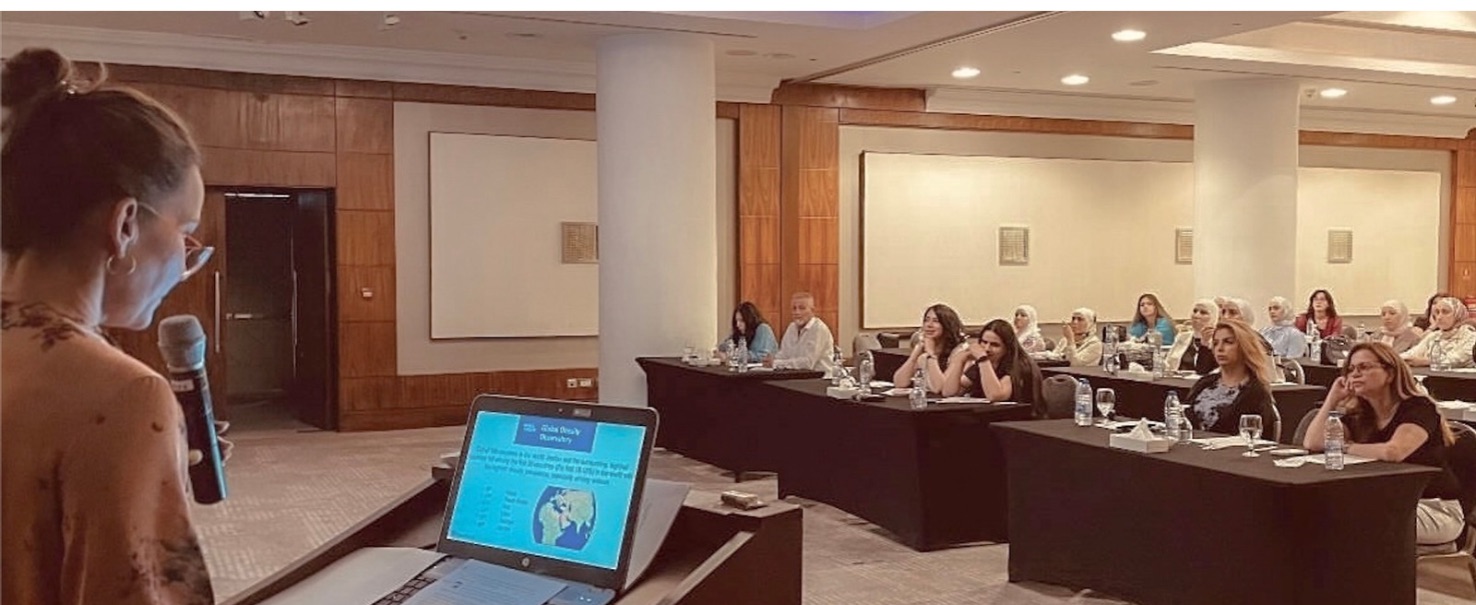
On 5 July 2024, I was invited by Trizara Nutrition and Business Center in Amman, Jordan, to give a seminar on emotional eating. Why do we reach for food when we are not hungry, and why is it so hard to stop? Here are five ideas from that day.
1. Why some foods hook us
For most of human history, our greatest threat was hunger. Evolution gave us a strong drive to eat whenever food was available, and only a weak “brake” to stop us. In today’s world of plenty, that advantage has become a risk.
Ultra-processed foods make it even harder. Nature rarely combines carbohydrates and fat in equal amounts: an apple is almost pure carbohydrate, salmon almost pure fat. A chocolate bar, however, is roughly half and half. This combination, rarely found in nature, sends an especially strong reward signal to the brain. These foods are also soft, quick to eat and easy to absorb, so the reward arrives fast. For a brain searching for comfort, this is the perfect hook.
2. Why quick-fix diets backfire
People who struggle with impulse control are often impatient, not only with others, but with themselves. They are the first to try the magic diet promising “guaranteed results in record time”. Yet the solution is not in finding the perfect plan. It lies in understanding why we overeat in the first place.
Strict calorie restriction, applied before the emotional drivers are understood, can make the relationship with food even worse. Research shows that dieting, and especially severe dieting, greatly increases the risk of developing disordered eating. Fast success then turns into even faster disappointment, and the weight returns, often with a few extra kilos.
3. What trauma really is
We often call emotional eating “comfort eating”. The word comfort comes from the Latin confortare, to strengthen: we eat to feel stronger against pain we cannot carry, whether loneliness, fear, stress or hurt.
Not every painful experience becomes trauma. As Dr. Gabor Maté explains, we do not get traumatized because we get hurt, but because we are alone in that hurt. Pain that is never shared stays inside us and quietly governs our behaviour, and food becomes one way to soothe it. That is why he says the question is not “Why the addiction?” but “Why the pain?” For emotional eating, it is not “Why the food?” but “Why the pain?”
Yet we can only look at our pain when we feel safe enough to do so. Otherwise it is too overwhelming, and we keep escaping, into food among other things. And safety, in his words, is not the absence of threat, but the presence of connection. So if trauma begins with being alone in our pain, healing begins with not being alone: with someone who listens without judging.
4. Five steps toward healing from emotional eating
Inspired by Dr. Gabor Maté, I shared five steps with the participants:
Re-label. “I need chocolate” becomes “I notice a thought telling me I need chocolate.” It is a belief, not a real need.
Re-attribute. Understand where the urge comes from, with compassion rather than blame. It is not a moral failure, but the effect of circumstances you did not choose.
Re-focus. Teach your brain that it does not have to obey the call.
Re-value. See the false gold for what it is: worth far less than the urge promises.
Re-create. Ask yourself what life you truly want, and begin choosing it.
5. Reward the process, not the goal
Dopamine is not only about reward. It is about pursuit. If we only measure ourselves against a distant goal, the gap feels overwhelming. Instead, reward each step: “This is me, improving.” Support your brain’s reward system naturally, through sleep, sunlight, movement, time with loved ones, music, creativity and whole foods rich in protein, fruit and vegetables.
Seeing the person, not only the behaviour
For all of us who work with people struggling with food, the most important shift is this: behind the behaviour there is often a human being in pain, with the full potential to heal and grow, at any age.
That is why my work always brings together three pillars: nutrition, physical activity and emotions.
My warm thanks to Trizara for the invitation, and to everyone who joined with such open hearts and minds.
If you would like me to speak at your event or organisation, write to me at melzer@equiliberty.org.
Be balanced, be free

Live healthY with Optimal Nutrition: ESPEN Congress in Lyon
Live Healthy with Optimal Nutrition:ESPEN Congress in Lyon
31. August 2023
Like every year, the 45th European Society for Nutrition and Metabolism Congress (ESPEN) gathers prominent experts from all over the world to present the most important science and latest findings around clinical nutrition and metabolism, this time in Lyon, France.
Live healthY with Optimal Nutrition is the guiding thread for this year.
The ESPEN 2023 program offers a great opportunity for physicians, dietitians, pharmacists, nutritionists, scientists, nurses, and everyone involved in the field of nutrition and metabolism to meet and discuss cutting-edge science, stimulate new collaborations and consolidate existing close partnerships.
Dr. Katarina Melzer, for the 13th time in a row, chairs, moderates and teaches the LLL module on Nutrition and Physical Activity.
Thank you to everyone who joined us at the ESPEN Congress in Lyon!


LLL Courses
What are the LLL Courses?
The ESPEN Leonardo da Vinci Life Long Learning Project is an ESPEN – EU global effort to improve daily practice in Clinical Nutrition and Metabolism and develop quality care in nutrition by means of an innovative educational initiative.
What are the main objectives?
To improve the knowledge, competence and skills of health professionals and students in Clinical Nutrition and Metabolism while providing CME credits and European certification for medical doctors. The courses are open not only to medical doctors. Pharmacists, dieticians and nurses can attend.
The duration of each course is 4 hours.
Paying courses are to be reserved upon registration to the Congress (cf. online registration form) and are open for all nutritional caregivers (medical doctors, pharmacists, dietitians and nurses).
The LLL Live Courses (4 hours each) are linked with the Educational Programme and are open to all the Congress participants. However, participants wishing to take the LLL case discussions and do the test that follows the corresponding educational session must register specifically for the latter.
Further information on the Final Exam, the pre-requisites and the application process is available here.
Why we overeat and under-exercise
Why We Overeat and Under-Exercise
13. July 2023.
As metabolic disorders become a major concern, let us try to understand the barely seen underlying reasons. We can easily blame genetics or our work life for the metabolic disorders we suffer from but what about the stored trauma, stress, and loneliness? Learn why we eat the way we eat and create unhealthy relationships with our food. This episode with Dr. Katarina Melzer will make you pause and look at the real issue.
00:00 Intro
02:00 No country today has successfully reversed the growth of obesity.
03:12 How obesity is not an issue of prejudice or fashion but a scientific reality?
08:10 Nutrition actionable.
09:20 Becoming more aware of the psychosocial factor impacting our health.
10:40 The way we eat as a coping mechanism.
15:00 Our addiction to food is actually our addiction to the dopamine response.
19:15 Changing our relationship with food: from a coping mechanism to energy input and energy output.
22:07 Why suicide rates have increased over 30% in the last few years.
23:27 How is our modern society characterized by a chronic imbalance between energy intake and expenditure?
27:00 How much exercising it takes to create a balance in our current energy intake and expenditure?
28:40 How much do we need to exercise regularly for bodyweight regulation?
30:00 Abundance of exercise for abundance of food.
35:10 Why do we need to work on regulating energy balance?
36:45 The quality of our relationships and the degree of loneliness, happiness and satisfaction are somewhere connected to over-eating and under-exercising.
42:50 Where do we go from here?
Thank you The Settle or BBETTER Podcast for the invitation!

The forces behind our unhealthy habits
The forces behind our unhealthy habits
25. March 2023.
Why would we push ourselves to ask for help in our quest for understanding the reasons behind our self-destructive behavior? Why would we choose to discuss the forces that drive our unhealthy habits? Isn’t it more comfortable to stay in our own psychic bubble that shields us from reality, and keeps us from confronting our personal trauma that would only unleash emotional storms we might not be able to handle?
Yes, staying in that bubble of denial seems more comfortable. Why? Because the reality we would suddenly expose ourselves to is too scary. The bubble serves as a safe capsule, keeping us from feeling the full range of grief and pain from negative life experiences and trauma which we all, at some point, lived through.
As a child, have you ever been judged? Not understood for who you are? Verbally, physically or in any other way abused? Harshly disciplined? If not obeying, bitterly punished? Not accepted exactly the way you are? Have you ever witnessed the suffering of your parents and faulted yourself for it? Or punitively self-blamed for not being able to help?
Most of us have. Many times, even without realizing that these overwhelming experiences can be traumatizing. In fact, trauma is part of life. It is unavoidable. Understanding that we are living through experiences that can leave traumatic effects on us is not always obvious. As the neurologist Robert Scaer defined it, trauma can be “any negative life event that occurs to us in a state of relative helplessness”.
In these situations, we coped as well as we could. In doing so, we constantly betrayed ourselves for love and acceptance. We allowed others to treat us in a way that made us feel unworthy or unaccepted, severing our connection to our authentic Self. Could we have changed anything at that point? Nothing. We were young, dependent, utterly vulnerable and helpless. Trauma creates the fundamental belief that we must betray who we are in order to survive. The experience brought us nothing but self-limiting beliefs.
When a parent figure denied our reality, they were unconsciously teaching us to reject our intuition, our “gut feeling”. The more we learned to distrust ourselves, the deeper our intuitive voice withdrew becoming harder and harder to hear. This resulted in lost intuition, and internal conflict. We learned that our judgement cannot be trusted and looked to others to shape our reality. The emotional immaturity due to unresolved trauma kept us unfulfilled, outside our emotions, trapped in our inability to connect with others and ourselves, and unprepared for the challenges the world brings along.
How should we, then, deal with persistent stressors in our lives? How should we approach problems in our current relationships? How to manage dissatisfaction with our current job or with the way our boss treats us? How to deal with inequalities related to social status, gender, unemployment, racism or discrimination that each of us felt at some point? Where to find strength to carry on when we feel unhappy, lonely, unseen and unknown? To whom to reach out for a helping hand?
Can we change something, especially now?
Certainly. What we fear is not the future, but the past. We can develop genuine self-esteem, not based on others’ valuations and approbation, but rooted in authentic self-acceptance. That may, of course, evoke the grief of letting go of who we thought we were and who the world that shaped us wanted us to be. But it certainly brings a sense of liberation, an invitation to live a richer, more authentic and healthier life.
Unfortunately, most of us seek the truth only once we recognize that the cost of not doing so has become too high. Running from ourselves and from what makes us feel not at “ease”, brings us to the state of being dis- eased or ob-e(a)sed, indulging in self- destructive behavior, be it in too much food (or too little), alcohol, sweets, drugs, internet or shopping. This desire for the quick fixes, emblematic of the Western culture in many ways, comes from the understandable want to end the increasing discomfort of living with our wounds.
The state could be a wake-up call, serving as a signpost that an otherwise healthy person is heading in the wrong direction and should ask for the help and support they need.
Be balanced, be free!
Equiliberty

Food for Body and Soul, Part III: No Free Lunch
Food for Body and SoulPart III: No Free Lunch
23. February 2023.
Having said all that in “Food for Body and Soul” part I and part II (see previous two blogs), we can conclude that, by and large, obesity, overweight and related chronic diseases result primarily from a prolonged disbalance between energy input and energy output. If that is the case, there are two ways to regulate the outcome: You can either reduce the energy intake, or you can increase the energy output. Everything else is hocus pocus. Once we have understood this, and once we have adapted our behavior accordingly, we can then still talk about fine tuning of more sophisticated physiological factors that can influence energy intake and output, but which really should not be of primary concern for our discussion here.
But if it really is as simple as that, why are we not doing it? Well, I said it was SIMPLE, but not that it was EASY! It is simple, because you don’t need to be an expert to understand that every calorie you eat must go somewhere, and that it must either be burned as fuel for your metabolism and exercise, or stored as fat in those places you hate to look at in the mirror. Nor do you need a PhD to understand that “junk food” is just that: “junk” and that, therefore, it probably is not good for you. Because, after all, your entire body is nothing else than a compilation of cells made from all the food you have eaten, and it does not take rocket science to realize you cannot build and maintain a healthy body from nothing but processed sugar, fats and artificial additives.
So the hard part is not to understand the truth, the hard part is to adapt our behavior to the truth. Being ordinary humans, we all tend to look for magic diets, “scientific” doctrines and quick solutions that will allow us to fool ourselves, just as long as we can stick to our old bad habits. But why are we like that?
Where do we get it wrong?
One of the main problems, I think, is that we live under the illusion of a “credit mentality” leading us to believe that we can get joy and happiness without taking full responsibility for our lives. In reality, you can do whatever you want, but pay day always comes. In life: there (really) is no “free lunch”!
In practice, this means that there is no cheap food. If you think that good quality food, organic products and fresh fruit and vegetables are too expensive, wait until you see the health costs of a lifetime of junk food, from the medical bills of your doctor to the pain, discomfort and disability caused by a deprived and neglected body. The same applies to physical activity, taking time for yourself, buying and preparing healthy food instead of having a quick stop for junk food somewhere. The truth is that, whatever you do, you WILL end up paying the full price, either now at the grocery store, or later at the hospital, but then with a hefty interest depending on how long you have been postponing “pay day”.
Most importantly, we have to become aware of what we are trying to nourish when we eat – our body or our soul? Because, as we already discussed, if calories are our only source of nourishment, we will stay hungry for the rest of our lives. Hungry, exhausted, and too tired to move. Tired not because we have done too much, but because we have done too little of what sparks a light in us.
And while obesity and overeating are still defined by some medical practitioners “as a normal physiological response to an abnormal environment”, other nutritionist and psychologist are less ambiguous, conceptualizing both obesity and overeating as a form of food addiction, similar to addictions to excessive shopping, drinking, smoking, Internet, work, drugs, sex, etc.
For example, Gabor Maté, a brilliant physician specialized in the field of substance dependence and psychology, clearly categorized overeating as addictive. He says that if you want to understand addiction you cannot look at what is wrong with addiction, you have to look at what is right about it, what the persons get from the addiction that otherwise they do not have. And, what addicts are getting is relief from pain, a sense of peace, a sense of control, a sense of protection (maybe through some additional layers of fat tissues as layers defending them from the outside world). Unfortunately, whatever “substance” we are addicted to can only temporarily relieve the painful symptoms of what is missing in our lives, but cannot remove the source of the problem. So the question is not “why the addiction?”, but “why the pain?”
Addiction always aims to forget, not to be ourselves for a few hours, to avoid the discomfort of being in our own skin, to escape from our own mind, so some people are destroying themselves with work, others with drugs, shopping or food. It is all about trying to fill an inner emptiness from the outside.
And if you want to understand why people are in pain, you cannot look at their genetics only, but must look at their lives. Because many people that are in pain have been abused in some manner: physically abused, or maybe sexually abused, neglected, abandoned or emotionally hurt, exposed to an environment that did not give them the love and acceptance. As a consequence, they did not develop brain chemicals such as dopamine (motivational component of reward-motivating behavior) or endorphins (chemicals to relieve pain or stress), so now they seek to fill this hole with all kinds of things from the outside.
In order to feel loved, understood and accepted, we suppress our own needs and start living someone else’s life, seeking acceptance of others, a sense of being “needed” (through work achievements), filling this emptiness of something we needed, but never got. But the truth about addiction is that it never works, because any inner emptiness we are trying to fill in this way will remain a hole without a bottom.
Maintaining or restoring health means getting in touch with our own self, our body and emotions and honoring who we are. What about being honest about what is lacking in our lives emotionally, and deciding not to try to suppress these needs with junk food and senseless entertainment, but to actually look for activities and relationships that stimulate our mind and nourish our soul?
Changing our habits towards a healthier, balanced and more fulfilled life can be scary, because it may go far beyond our menu of foods and drink. But remember, everything comes at a price and, in the long run, the costs of staying in an unhealthy place are always higher than the potential costs of changing your habits. All changes are hard at first, messy in the middle, and gorgeous at the end. If it is not hard at first, it is not the real change! A bird sitting on a tree is never afraid that the branch could be breaking because its trust is not in the branch. Until you spread your own wings, you have no idea how high and far you can fly.
Take the leap and you may discover wings you never knew you had.
Be balanced, be free!
Equiliberty

Food for Body and Soul, Part II: Who Is to Blame for the Obesity Epidemic?
Food for Body and SoulPart II: Who Is to Blame for the Obesity Epidemic?
19. January 2023.
The current obesity epidemic is the result of multiple, complex and interacting dynamics, which have progressively converged to produce lasting changes in people’s lifestyles.
Overproduction of food
First comes overproduction of food. In order to increase quantity of food, more and more crops are grown using chemical fertilizers. These industrially grown crops grow more quickly, but this also gives them less time to accumulate important nutrients. Industrial crops also develop smaller and shallower root systems than organically grown plants and, therefore, have less access to soil minerals than deeply rooted plants. In addition, organically grown crops contain more phytochemicals, which defend plants against pest and diseases, and many of which have important antioxidant, anti-inflammatory, and other beneficial effects for humans.
Because plants growing on organic farms are not sprayed with synthetic pesticides, they are forced to defend themselves and, therefore, produce between 10-50% more of these valuable secondary compounds than conventionally grown plants. Thus, our quantitative overproduction of food has come at a significant cost to its quality. An analysis of British government data found that, from the 1930s to the 1980s, there have been “marked reductions” of 7 minerals in 20 fruits and 20 vegetables¹. As a result, already in 1991, you had to eat three apples to get the same iron content supplied by one apple in 1940; and the iron content of meat products declined by an average of 54%.
Food transportation and storage
In addition, due to long time spent in transport and storage, most fruit and vegetables are picked green and ripened artificially. Produce picked early does not develop sunlight-related nutrients such as anthocyanins and polyphenols—compounds that give fruit their color and flavor, and which protect humans against DNA damage, brain cell deterioration and cancer. For example, blackberries picked “green” contain 74 mg of anthocyanins, compared to 317 mg in ripe ones – more than four times less. Apples and apricots have no vitamin C when picked green, but significant concentrations of the vitamin when picked half or fully ripe².
Food technology
The industrial production of food also brought along major changes in food production technologies. Today, ingredients are being dehydrated to prevent them from spoiling, but this makes them more energy dense. Moreover, in order to make products more palatable, whole wheat is turned into white flour, and brown rice into white rice, thus eliminating 50-96 % of the fiber, vitamin and mineral content². Then, enormous amounts of sugar or fat are added to make products tastier, thus further increasing the energy content of already energy dense foods. Finally, our food gets seasoned with tons of additives and preservatives – not in order to ensure the longest and healthiest life for the customers, but the longest shelf-life for the products in an air-conditioned, windowless supermarket.
Ultra-processed food
This is what in the food industry we call “ultra-processed food” or, in full, “low-quality energy dense food, high in free-sugars, sodium and fats, and low in protein, fiber, minerals and vitamins, that contain little to no whole food” – for our convenience, we may also just call it “junk food”. The list of such ultra-processed junk food is long, perhaps much longer than most of us would spontaneously think. It ranges from usual suspects such as carbonated drinks, chocolate, candies, cakes, biscuits, pastries, desserts and ice-cream, and powdered and packaged “instant” soups, to sweetened breakfast cereals, packaged breads with emulsifiers, ready to eat pasta and pizza dishes, noodles, margarine, spreads, energy bars, energy drinks, poultry and fish nuggets and sticks, sausages, burgers, hot dogs, and includes even purportedly “healthy” foods, such as sweetened and flavored yogurts, milk-based drinks and fruit juices.
As a result of overproduction, the availability of calories per person worldwide increased by approximately 500 kcal/day. Roughly 15% of these calories stem from sugars, another 15% from added fat, some 50% from (mostly refined) grains; and the remaining 8% from fruits and vegetables – all of which supplies lots of energy but very little of anything else.
Ultra-processed foods are convenient (durable, ready-to-eat, drink or heat), attractive (hyper-palatable) and profitable (low-cost ingredients) and increasingly displace foods that humans have been eating throughout their evolutionary history. Currently, the percentage of calories of an average diet that comes from ultra-processed food is about 30% in Spain, 50% in Canada, 60% in the US, and even 80% in Germany. But the food industry did not stop here. In order to deliberately encourage over-consumption, they started to supersize their food and beverages because, as research has shown, people presented with large portion sizes tend to “overdose”, i.e. they end up eating unintentionally up to 30% more than they would otherwise eat³.
As far as our nutrition is concerned, the major health problems we currently observe are primarily rooted in excessive caloric, salt, and saturated fat intakes. At the same time, we have inadequate intakes of vitamin and antioxidant-rich fruits and vegetables, and fiber. A diet based on quantity rather than quality has brought a new creature onto the world stage: a human being that manages not only to be overfed, but also to be malnourished, two characteristics seldom found simultaneously in the same body in the long natural history of our species.
Is Health Care the Answer?
Without any doubt, we are the most comfortable generation that ever lived on this planet, sacrificing our health, well-being and productivity for short-sighted benefits of ease and convenience. Even when we start to feel the consequences of our self-destructive behavior, we usually start blaming the scale, the shrinking laundry, the kids, and the weather, soothing our emotional discomfort with intensified compensatory eating, excessive drinking or smoking. Once we realize that passive worrying and blaming our circumstances is not going to solve the problem, most of us already give up and turn to the health care industry for salvation.
Unfortunately, just like the food industry, the health care industry does not keep us healthy. We are running a system of “sick care”, not “health” care. The medical system has perfected the art of keeping us alive after the modern lifestyle has made us sick, because the only contact we get with the medical system is once we are already sick. And the medical system certainly has little or no interest in shrinking its own customer base. In fact, its purpose is to turn obesity and related diseases into business opportunities: diet pills, heart bypass surgery, insulin pumps, bariatric surgeries. So let’s get real: just like any other industry, the health care industry prioritizes profit over people, prescription over education, and treatment over prevention.
Ultimately, however, our life, our health, our happiness and our satisfaction are our responsibility, and cannot be found in the magic boxes sold by the food industry, nor in the magic treatments offered by the health care industry, but only in the magic of our own resolve and self-discipline.
For the absolute majority of us, our health and our productivity is what we choose it to be. As long as we keep blaming others and try to outsource our responsibility, we will be good customers but unhappy people, seeing ourselves as victims unable to respond to the challenges of living a healthy life in our modern world. Because, in essence, “respons-ability” means the “ability to respond”. Without it, we are predestined to fail. We may have all the right arguments and excuses but, deep inside, we will always know we have just chosen the path of least resistance, deluding ourselves that we are actually comfortable being increasingly uncomfortable.
Is Natural Body Self-Regulation the Answer?
Ok, we may say, but doesn’t the body simply self-regulate and adapt food intake to its actual needs? In fact, the body’s natural energy balance regulation has long been my main research interest. Indeed, as my research at the Swiss Federal Institute for Sports has shown, prolonged increase in energy expenditure due to exercise is automatically followed by an equivalent increase in caloric intake. For example, during the Tour de France, a 22-day cycling race of up to 4000 km, cyclists expend 4-5 times their basal metabolic rate, around 7500 kcal, which corresponds to about 20 hours of jogging!
So, in order to retain their body weight, they have to increase their energy intake. This self-regulation happens naturally, but only when we increase our physical activity level to around 2 (i.e. two times our basal metabolic rate) which corresponds to approximately 2-3 hours of moderate to vigorous physical activity per day. Unfortunately, it does not work in the other direction in sedentary lifestyles. When a person does no physical work, the body will not recognize that it is being overfed and will not compensate the absence of activity with a reduction of food intake. Why?
Historically, of course, this was an important survival mechanism. Our hunter-gatherer ancestors would use every opportunity to feast and build up reserves of fat against future famine. But what represents a useful adaptation in an environment of food scarcity and unpredictability, is simply a disaster in an environment of abundant junk food, where the “feast” never ends. Since our DNA has not changed much in the past 50’000 years, our bodies frantically keep storing fat reserves for times of famine that never come. At some point, of course, the body starts being oversaturated with the stored energy that is not being used for muscle activity. Sugars, fats and cholesterol accumulate in our organs and blood and start to cause dysregulation of our hormonal and metabolic system, diabetes, or cardiovascular diseases. Overall, if we want to avoid obesity and chronic diseases, we cannot rely on the body to self-regulate, but we must adapt our energy output to our energy intake, or vice versa. For most of us, this means 2-3 hours of physical activity every single day.
Is “Superfood” the Answer?
No generation before us worried more about health consequences of their food choices, and no generation before us suffered from as many diet-related health problems. We are an unhealthy generation obsessed with healthy eating! The self-help market is full of gurus, athletes and celebrities promoting contradictory and confusing nutritional doctrines, many of which have little or no basis in science, but offer empty promises of overnight success, health, and happiness ever after.
For example, Reese Witherspoon promotes a “Baby Food Diet”, which involves eating 14 jars of baby food per day, with the option of adding in one actual low-calorie meal. Should you do it? No. The jars of baby food are 80 calories. Eat 14 and you end up with roughly 1000 calories each day plus one real meal. So long as the meal you allow yourself is about 400 calories — think a small piece of grilled fish or lean meat and some sautéed veggies — you’ll definitely lose weight. But it will be because you’re not eating enough calories to maintain your weight, not because mushed-up fruit is a miracle diet product.
Christina Aguilera ate foods of a different color for every day of the week. Day one starts with white, which is followed by red, green, orange, purple, yellow, and, on the seventh day, all of the colors. I am not going to discuss the scientific merits of this colorful diet here, except to point out that, if you choose to go for this one, you can just eat as many gummy bears and m&m’s as you want, as long as you switch the color each day. I’ll let you do the math on the calories yourself.
Another diet virtually impossible to ignore is the “gluten-free” diet, which is promoted by celebrities for weight loss, and by athletes for improved performance. Gluten is a high molecular weight protein found in grains, including wheat, barley and rye. But while celebrities including Novak Djokovic, Gwyneth Paltrow, Miley Cyrus, and Victoria Beckham all reported to suffer from gluten sensitivity, 50% of Americans buy gluten-free food for reasons other than gluten sensitivity, believing that it is generally healthier. As a result, between 2004 and 2011, the market for gluten-free products grew at an annual rate of 28%, with sales estimated to reach $2.6 billion in 2012 and $6.6 billion in 2017.
Then there is the “low-carb ketogenic diet”, of course: high in fat, low on evidence. Normally, the body’s main source of energy is blood sugar, which comes from carbohydrates. In the absence of blood sugar (that is restricted to 20-50 g on this diet), we start breaking down stored fat into molecules called “ketone bodies” until we start eating carbohydrates again. Because it lacks carbohydrates, which normally account for at least 50% of our diet, a ketogenic diet is rich in proteins and fats and typically includes plenty of meats, eggs, processed meats, sausages, cheeses, fish, nuts, butter, oils, seeds, and fibrous vegetables (very low carb vegetables such as cauliflower and leafy greens), but very few fruits and vegetables, with unknown consequences in the long-term. The diet is heavy on usually uncontrolled sources of red meat and other fatty, processed, and salty foods that are notoriously unhealthy.
Of course, the list of “superfoods” and magical diets could continue endlessly. In nutritional science, however, the term “superfood” does not even exist. In fact, the recommended science-based healthy reference diet largely consists of vegetables, fruits, whole grains, legumes, nuts, and unsaturated oils, and includes a low to moderate amount of seafood and poultry, and no or a low quantity of red meat, processed meat, added sugar, refined grains, and starchy vegetables. It really is as simple as that! Obviously, within these broad recommendations, plenty of variations are possible to suit personal preferences, and there really is no sound scientific basis for being more specific – variety is an important part of avoiding one-sided diets.
Even science-based research reporting adverse health effects of specific unprocessed foods should be taken with caution, particularly when the physical activity level of the evaluated persons was not adequately taken into account. Studies showed that such negative effects of particular ingredients tend to be insignificant for persons with sufficient levels of physical activity.
….to be continued (in Food for Body and Soul – part III).
Be balanced, be free!
Equiliberty
References:
- Mayer Anne-Marie. British Food Journal. 1997; 99(6): 207 – 211.
- Brian Halweil. Critical Issue Report. Still No Free Lunch: Nutrient levels in U.S. food supply eroded by pursuit of high yields. The Organic Center. September 2007
- Pollan M. The Omnivore’s dilemma: a natural history of four meals. Pinguin Random House, 2016.

Food for Body and Soul, Part I: Food, a Matter of Life or Death
Food for Body and SoulPart I: Food, a Matter of Life or Death
12. December 2022.
Let us go a little bit back in time. Ever since we have come down from the trees, living in social groups of hunters and gatherers and started taking meals together somewhere in a cave, eating has been as much about culture as it has been about biological necessity. Therefore, food is not only about physical survival, but also about pleasure, about community, about family, friends and spirituality, about our relationship with the natural world and with each other, and about experiencing our own identity.
This also means that our eating habits are quite complex. There are many reasons for eating other than nourishing your body, and so it is not surprising that, very often, we eat without being hungry, or we don’t eat despite being hungry, or we eat something our body does not need or want, or that is not even good for us.
I am sure you will agree with me that we may be the most comfortable and abundant generation in human history, but we certainly are not the most healthy, happy and satisfied humans who ever lived on this planet. Our modern, speedy, stressful but effortless life, free from physical exertion, and abundant in food, has come with a high price tag.
Not everything looks bad at first sight
In the last 70 years, on a global scale, life expectancy increased by more than 20 years¹. Medical practitioners and scientists would be proud to attribute these results to improved medical care, guidelines and recommendations. But let us not celebrate too early. The truth is that, out of the 20 years that we live longer than some 70 years ago, we spend a whole decade in poor health, under medications, in disease or disability¹!!!
In the last few decades (1990-2017) neonatal disorders and so-called “infectious” or “communicable” diseases (such as tuberculosis, influenza, malaria, and sexually transmitted diseases), which had long been the primary causes for increased mortality and morbidity have seen a sharp decrease worldwide (40%)¹. At the same time, however, some new diseases emerged, which our great-grandparents probably did not even know existed. Contrary to infectious diseases, which can spread and kill quickly and cause mortal pandemics, the newly emerging diseases degrade your health slowly but surely, until you die! These so-called “chronic” diseases are now responsible for 80% of disabilities worldwide, namely cardiovascular diseases, cancer, chronic respiratory diseases, diabetes and mental illnesses².
But what is interesting is that the majority of these diseases are the effects of nothing else but what we eat and drink (alcohol and tobacco included), how much we exercise and how we respond to stress³. As simple as that!!!
Our health today
When it comes to food and chronic diseases, we know that, today, 70% of Americans are overweight, and 40% obese. As you may have guessed, only 20% are meeting current physical activity guidelines and, of course, they eat excessively, with as much as 60% of calories coming from ultra-processed, so-called “junk food”. As a consequence, no less than 70% of Americans aged 45-64 years and 90% of those aged >=65 years are on some sort of prescription drugs, with 9000 $ of personal health care expenses every single year! Every third (30%) dies of a heart disease, every fifth (20%) due to cancer, and every sixth (15%) due to diabetes. And that is not all: the most dire projections point to almost 90% of Americans being overweight or obese by 2030!
Now you may think this is an American anomaly, but it is not. Today, even in Europe, already more than 50% are overweight or obese (13% obese). While some countries are resisting the obesity trends (like Italy (7%), Sweden 10% (Austria, Czech Republic, Poland, Hungary), France 12%, Spain 14%), Serbia (21.9%) and Croatia (21.5%) are becoming some of the leaders in this game. Interestingly, the prevalence of overweight and obesity remains the highest even among migrants from former Yugoslavia living in other countries. For example, in Switzerland, where the overall prevalence of overweight and obesity is one of the lowest in Europe, migrants from former Yugoslavia have a 5 times higher chance of being overweight and obese compared to migrants of any other European country.
The truth is that, every single year, food is responsible for killing almost 700’000 in America, and 11 million worldwide! Compare that to approximately 100’000 people being killed every year by all wars taken together. As you can see, the most deadly weapons ever used by humanity are not firearms, bombs or even nuclear weapons, but simply our forks and knives!
Be balanced, be free!
Equiliberty
References:

Food as an emotional substitute
Food as an emotional substitute
18. November 2022.
People can be addicted to food, alcohol, nicotine, drugs, shopping, work, gambling, smartphones, internet, sex, video games, extreme sports…. – anything that can temporarily suppress negative emotions and, therefore, give us a sense of peace, control, and calmness.
If a healthy person is addicted to overeating, the solution generally is not just to abstain from food, but to understand why overconsumption of food is taking place in the first place.
Food can become a substitute when we lack emotional nourishment. When we feel that we do not exercise real power over our lives, we move towards whatever offers us a sense of safety and protection (even if that protection comes in the form of extra fat depots surrounding our body). When obesity becomes an emotional armor, major weight loss can be perceived as sexually or physically threatening, despite its objective health benefits.
But why are we seeking emotional protection?
From the moment we are born, we have an innate need to connect with others. If the bond provided by our parents, caregivers and surroundings is strong, safe, stable and protective, we are naturally able to trust and connect with ourselves and others in healthy ways. However, if we are neglected and isolated, and do not experience secure attachment, we tend to struggle with trust issues. Later in life, we are usually unable to bond, and will constantly seek relief from our feelings of lack of acceptance, connection and protection.
How many of us compensate for our perceived lack of value by becoming work-a-holics? How many of us for our sense of being unwanted by becoming sex-a-holics? How often do we suppress our true selves and become people pleasers, in order to cover feelings of not being accepted and valued for exactly who we are?
And so, a self-destructive cycle is triggered: by suppressing our feelings, we become de-pressed. Under extreme tension and with no one to share it with, we tend to become hyper-tensive. Living life with a lack of “ease” makes many of us “ob-esed” and “dis-eased”.
Food as an emotional substitute
You get my point: overeating, just as any other addiction, is not a problem in itself, it is only a marker for other, pre-existing problems. It is a coping mechanism that attempts to suppress the emotional discomfort we experience, generally because of unresolved trauma suffered earlier in life.
Developing healthy interpersonal connections as part of our recovery and healing is not easy. Overcoming our lack of trust and connection, often rooted in early life experience, requires self-awareness, forgiveness, and patience. In order to truly heal and learn to trust and connect with our surroundings, we first have to create a sense of safety, trust and connection within ourselves. For this, we have to make peace with our past, accept the reality of our present, and then harness our power to shape a future that honors our bodies, our souls and the truly miraculous beings we are.

Energy Balance Regulation Course by Dr. Katarina Melzer in Vienna
Energy Balance Regulation Course by Dr. Katarina Melzer in Vienna
3. September 2022.
This year, like every year, it was a great feeling to be back at ESPEN (European Society for Clinical Nutrition and Metabolism) for chairing, moderating and teaching the LLL module on Nutrition and Physical Activity, this time in Vienna, Austria.


Module:
Physical Activity and Health: Energy balance regulation – Katarina Melzer
Learning objectives
- Define physical activity, exercise, physical fitness and physical fitness components, as well as intensity, volume, duration and frequency of physical activity.
- Present current physical activity recommendations for healthy subjects.
- Discuss the factors influencing the energy balance equation.
- Describe energy content and energy conversion factors of food.
- Discuss the factors influencing energy expenditure during resting state.
- Clarify the difference between resting and basal metabolic rate.
- Question the widespread application of a “metabolic equivalent (MET)” value to all individuals and population subgroups.
- Describe anaerobic and aerobic pathways for energy production during physical activity.
- Explain the influence of exercise intensity, duration and mode on substrate utilization.
- Explain the influence of training, diet and gender on substrate utilization during exercise.
- Present latest findings on the effects of physical inactivity and activity on ad libitum energy intake and its impact on energy balance regulation.
- Clarify the effects of energy imbalance on body weight and composition.
- Briefly discuss other factors influencing energy balance regulation.
Thank you to everyone who joined the course!