


Nutrition and Physical Activity Webinar - Join Us!
Nutrition and Physical Activity Webinar - Join Us!
25. August 2020.
This year, we are celebrating the 10th Anniversary of the Life Long Learning (LLL) Module in Sport and Nutrition at the ESPEN Congress. Since its first roll-out in 2010, interest has continued to grow with more and more attendances every year.
As Chairperson and Director, I would like to warmly thank all those countless colleagues and friends, who have helped to shape and deliver the module throughout these years. Without them, we would not be where we are today.
At the same time, I also would like to warmly welcome our new lecturers, whose expertise and experience will contribute decisively to the module’s continued growth and success in the future.





This year’s module, newly updated and renamed “Nutrition and Physical Activity”, will address four key topics:
Physical activity and health: energy balance regulation.
Physical activity and chronic diseases.
Nutrition for endurance and strength sports.
Fluids, electrolyte balance and sports supplements.
Join us!
ESPEN 2020 Virtual Congress


TV RTS - Dr. Katarina Melzer on COVID-19
TV RTS - Dr. Katarina Melzer on COVID
17. April 2020
Good to be back on TV RTS (SR) for this timely discussion on the current Covid virus-19!
We all know it: By staying at home, we are protecting the most vulnerable from the potentially deadly consequences of Covid. But often we forget that it is not only the elderly who are most at risk, but also those suffering from chronic conditions.
In fact, already before current pandemic, chronic diseases were primary cause for disability and mortality worldwide. Today, 70% of Americans and 60% of Europeans are overweight or obese. Only in the United States, every second citizen has hypertension; every 17 seconds someone is diagnosed with diabetes, and every 37 seconds someone dies from cardiovascular disease. Not surprisingly therefore, 9 out of 10 people dying from Covid were suffering from chronic diseases.
These statistics are not only alarming, but also deeply frustrating, given that most chronic conditions could be effectively addressed by nothing else than appropriate eating, exercising and stress-response. Our modern lifestyle – stressful, free from physical exertion, and abundant in food – comes with a high price tag. Yet, most of us still neglect the proven benefits of lifestyle changes, and are more interested in dubious nutritional doctrines promising overnight success, health and happiness ever after.
So let’s use this moment to pause, think and feel: What is causing our self-destructive behavior? Let’s not neglect or try to escape uncomfortable emotions, for they are our friends and speak in their own language. Now, when the whole world has slowed down and the outside noise has subsided, let’s take the time to listen inside, to acknowledge our feelings, fears and vulnerability, and to ask for help when needed. The best we can do for our loved ones and the world is to take good care of ourselves.
Be safe, be balanced, be free!

Balance and self-motivation
Balance and self-motivation - Forum 42
17. February 2020.
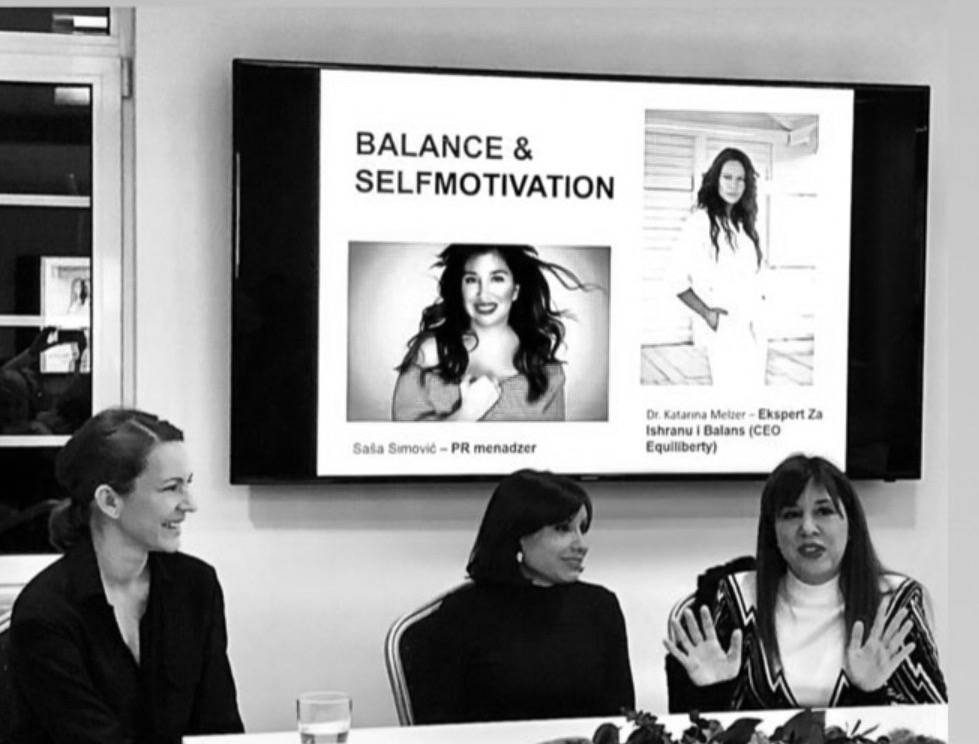
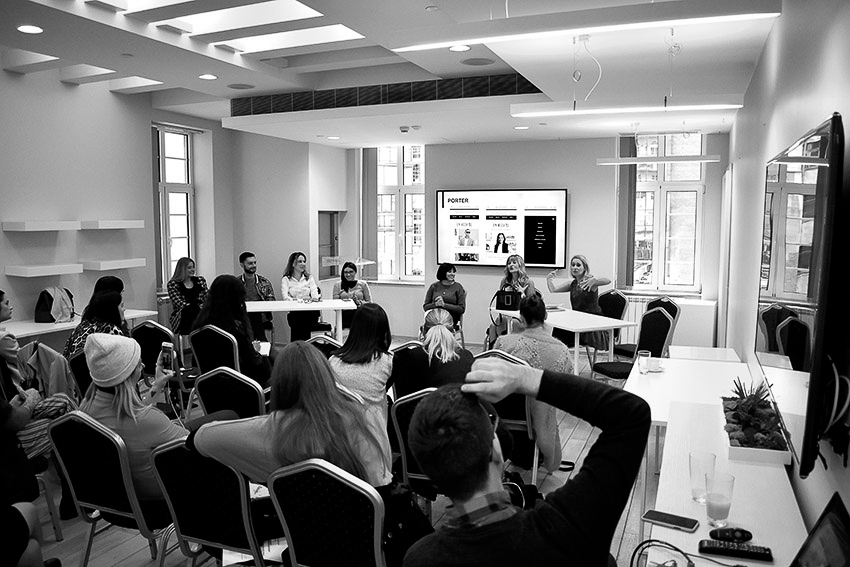
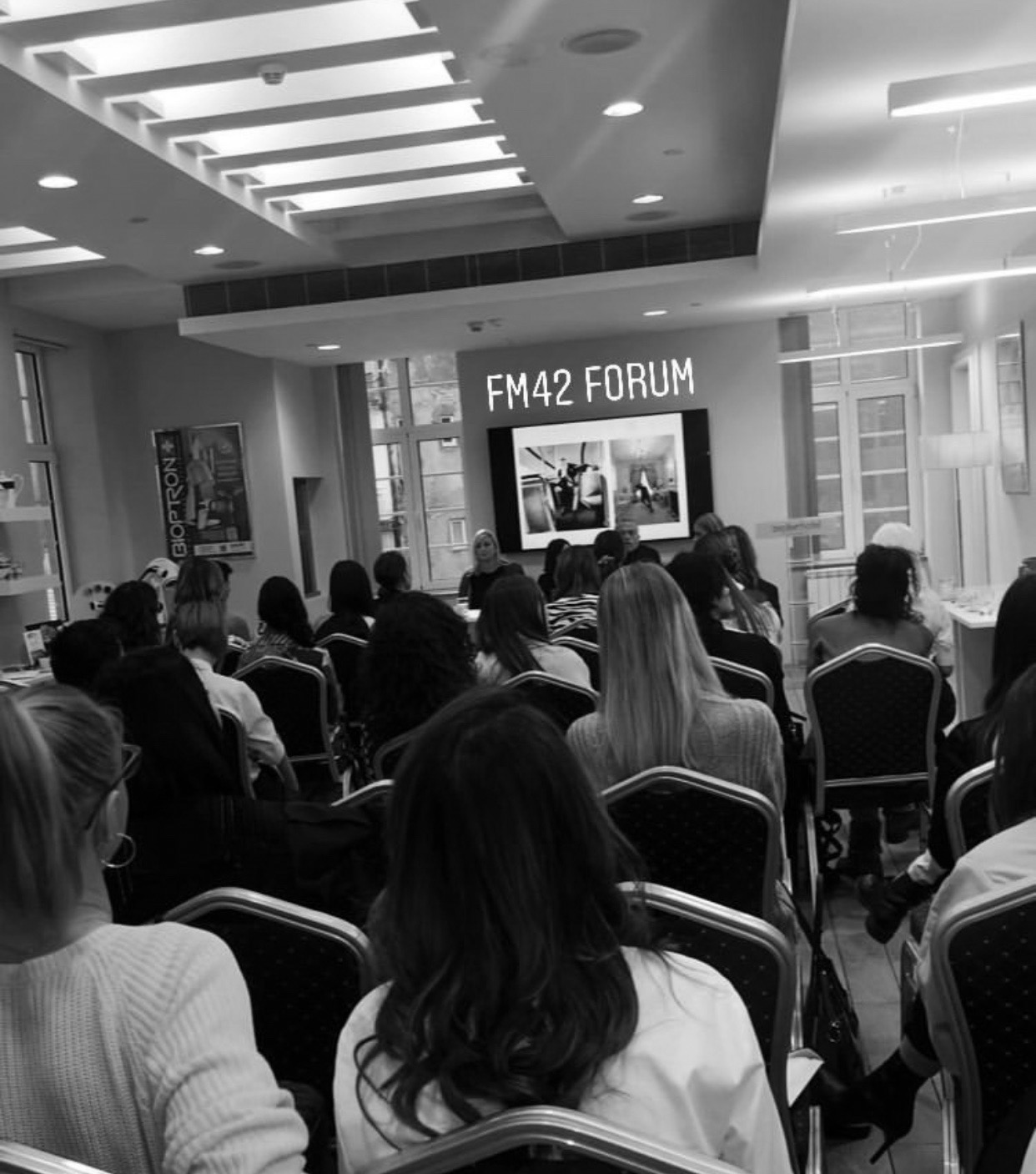
Great discussion at the latest Forum 42 about balance and self-motivation.
Preaching to people about changing their self-destructive lifestyles won’t achieve anything unless the emotional dynamics driving those behaviors are understood and addressed.

Food, in particular, often becomes a substitute for emotional nurturing. In truth, food compulsion is a cry for love, connection and understanding.
We cannot change our behavior, if it is nothing but an outward symptom of powerful emotional undercurrents. If we are serious about change, we have to dig deep and face our pain, shame, and insecurities, for they are not the problem, but friendly signposts towards the wounds that need healing.
Finding true freedom and balance requires the courage to explore your innermost self, to face your hidden pain which drives any self-destructive behaviour, and to experience the healing that comes with letting go of fear and rejection.
Given the enormous profits made by the health, food and pharmaceutical industry from the long-term “management” of pathological conditions and addictive behaviour, healing you for good clearly is not their priority. So please be aware that the only one who is going to make this happen for you is YOU!
My very special, heartfelt thanks go out to you, Aleksandra Sasa Simovic for sharing with us your very personal story – you taught us a lesson of bravery and self-motivation which left all of us in admiration and eager to continue learning from you!

Steps towards a happy, healthy 2020!
Steps towards a happy, healthy 2020!
30. December 2019.
Holiday seasons are beautiful occasions to relax, pause for a moment from our stressful, hectic lives, gather our loved ones around Christmas trees and dinner tables, and enjoy all kinds of delicious temptations. Apart from the mundane task of providing our body with fuel, food has always been about pleasure, about community, about family, friends and spirituality, about our relationship with the natural world and with each other, and about experiencing our own identity.
At the same time, holiday seasons also offer plenty of opportunity to eat without being hungry, and to feed our body with things we do not need, and that are not even good for us. Unfortunately, if repeated and persistent, regardless of its negative impact on our health and our life, this behavior tends to become addictive. The problem is that our tendency to overeat is not only the consequence of overproduction of and easy access to food but, as with any addictive behavior, also has a self-soothing function covering up unresolved emotional issues.
Think about it: what is the promise of chocolate, snacks, candy, alcohol and tobacco? Isn’t it always about instant emotional satisfaction? And now be brutally honest: Does any of this ever give us what we so desperately crave for? Love? Fulfilment? Safety? Peace?
The truth is that, while overfeeding our body, we are subconsciously trying to feed our soul, to sooth our discomfort, isolation, powerlessness, stress, dissatisfaction, pain, and to compensate for our lack of energy, optimism or well-being. We are desperately attempting to regulate, or at least cover up, our internal state through external means. Food addiction is an attempt at replacing what a person was emotionally deprived of.
We may even succeed for a short time but, just as any other addiction, overeating comes at a price – and the currency of our payment will be overweight, declining health and dwindling self-esteem. And just when we are about to face this truth, our original emotional issues will come back to bite us, too.
The good news is that it does not have to be that way. You can take responsibility and choose a different path – and what better moment is there to make such a decision than the approaching New Year! So here are three simple steps you can take towards a happy, healthy and lean 2020:
First: Let go of your illusions and quit searching for the quick fix, the “magic pill” for health and happiness. Accept that this is simply part of growing up, a bit like saying goodbye to Santa.
Second: Embrace what is real, accept and love yourself, your life, your health, your friends and family, and then laugh, enjoy and celebrate all of it abundantly. Enjoy life with all your senses! This will nourish your soul, fill you with happiness and satisfaction, and do away with all the wrong motivations for food.
Third: Start nourishing your body with fresh food that is not only tasty, but that also contains all the nutrients it needs and which will allow it to detoxify and regenerate. Think about it: Would you fill sea water into your car’s fuel tank just because it is cheap and easily accessible? Never! Then why would you keep stuffing junk food into your body, which is infinitely more valuable than any car you will ever own? While getting some basic nutritional advice can be helpful to get to you off to a good start, most of it really is good old common sense: eat plenty of vegetables, fruits, whole grains, legumes, nuts and unsaturated oils, low to moderate amount of seafood and poultry, and no or a low quantity of red meat, processed meat, added sugar, refined grains and starchy vegetables.
It really is simple as that! Obviously, within these broad recommendations, plenty of variations are possible to suit personal preferences and medical conditions. Other than that, there is really no sound scientific basis for being more specific – variety is an important part of avoiding one-sided diets.
Take responsibility now! Start out the new decade by getting in touch with your body and emotions, and celebrate who you are and what you have. Let go of your petty addictions and ask yourself what is the life you really want? What do you choose to create? Look in the mirror not with pity or resentment, but with compassion and love, and then turn around and treat others the same way. Are you afraid you will stumble? Of course you will: that’s called being human. But then, even stumbling is a way of making progress. Just think of a child learning to walk: Try, stumble, fall – and then take a deep breath, get up and try it again!
You are not alone – let’s do it together!
Be balanced, be free – Equiliberty!

Documentary - My life journey
Documentary - My life journey
1. December 2019
Thank you RTS TV for our excellent collaboration in producing this documentary about my personal journey from a childhood in the blocks of New Belgrade, through extensive research and practice in Europe, Middle East and Africa, to my current promotion of healthy lifestyle as an expert, consultant and lecturer in nutrition and physiology.
RTS TV – Dr. Katarina Melzer – “Srbija na vezi” documentary (short version, English subtitles)
SRBIJA NA VEZI: Katarina i Nils MELCER, 1.deo
SRBIJA NA VEZI: Katarina i Nils MELCER, 2.deo

The price of our longevity
The price of our longevity
15. November 2019.
In the last 70 years, on a global scale, life expectancy has increased by more than 20 years. However, out of these 20 years that we live longer, we generally spend an entire decade in poor health or even disability, and under medication due to “chronic diseases”, which our great-grand mothers and fathers probably did not even know existed. In fact, chronic diseases are now responsible for 80% of disabilities worldwide, including cardiovascular diseases, cancer, chronic respiratory diseases, diabetes and mental illnesses. Most of them are simply the consequence of what we eat and drink, how much we exercise and how we respond to stress. It is as simple as that.
So where do we do wrong?
Check out this timely interview with Dr. Katarina Melzer‘ at GRAND TV.
U poslednjih 70 godina, na globalnom nivou, životni vek se produžio za čitavih 20 godina. Od tih 20 godina, koliko duže živimo, čitavu deceniju provodimo pod lekovima i u lošem zdravstvenom stanju koje je prouzrokovano takozvanim „hroničnim bolestima“, za koje naše pra-bake i očevi većinom nisu ni znali da postoje. Hronične bolesti su sada odgovorne za 80% invaliditeta širom sveta, uključujući kardiovaskularne bolesti, rak, hronične respiratorne bolesti, dijabetes kao i mentalna oboljenja. Većina njih je uzrokovano ničim drugim nego načinom na koji jedemo i pijemo (uključujći alkohol I cigarete), koliko vežbamo i kako reagujemo na stres.
Gde onda grešimo?
Pogledajte ovaj intervju sa Dr. Katarinom Melzer na GRAND TV (sa engleskim prevodom).

Dr. Melzer authors the ESPEN Blue Book
Dr. Katarina Melzer co-authors the Sport Nutrition module of the ESPEN Blue Book
3.October 2019
Dr. Katarina Melzer co-authors the 5th edition of the “Blue Book” – Basics in Clinical Nutrition. The book provides the essential knowledge for all educational activities of the European Society for Clinical Nutrition and Metabolism (ESPEN). It includes the chapter on „Sports Nutrition“, the module which Dr. Katarina Melzer has been chairing, moderating and teaching for the past 10 years as part of the Leonardo da Vinci Life Long Learning Project (LLL program) of the ESPEN.
The „Sport Nutrition“ module will be updated in 2020 in order to incorporate the newest, most important findings in the area of physical activity and nutrition, including the effects of exercise on energy balance regulation, physical activity and chronic diseases, nutrition for endurance and strength, as well as sports supplements.
The revised module will be introduced at the upcoming ESPEN Congress in Lyon, France in September 2020.
Looking forward to seeing you there!

Food for Body and Soul Seminar
Food for Body and Soul Seminar
13. September 2019
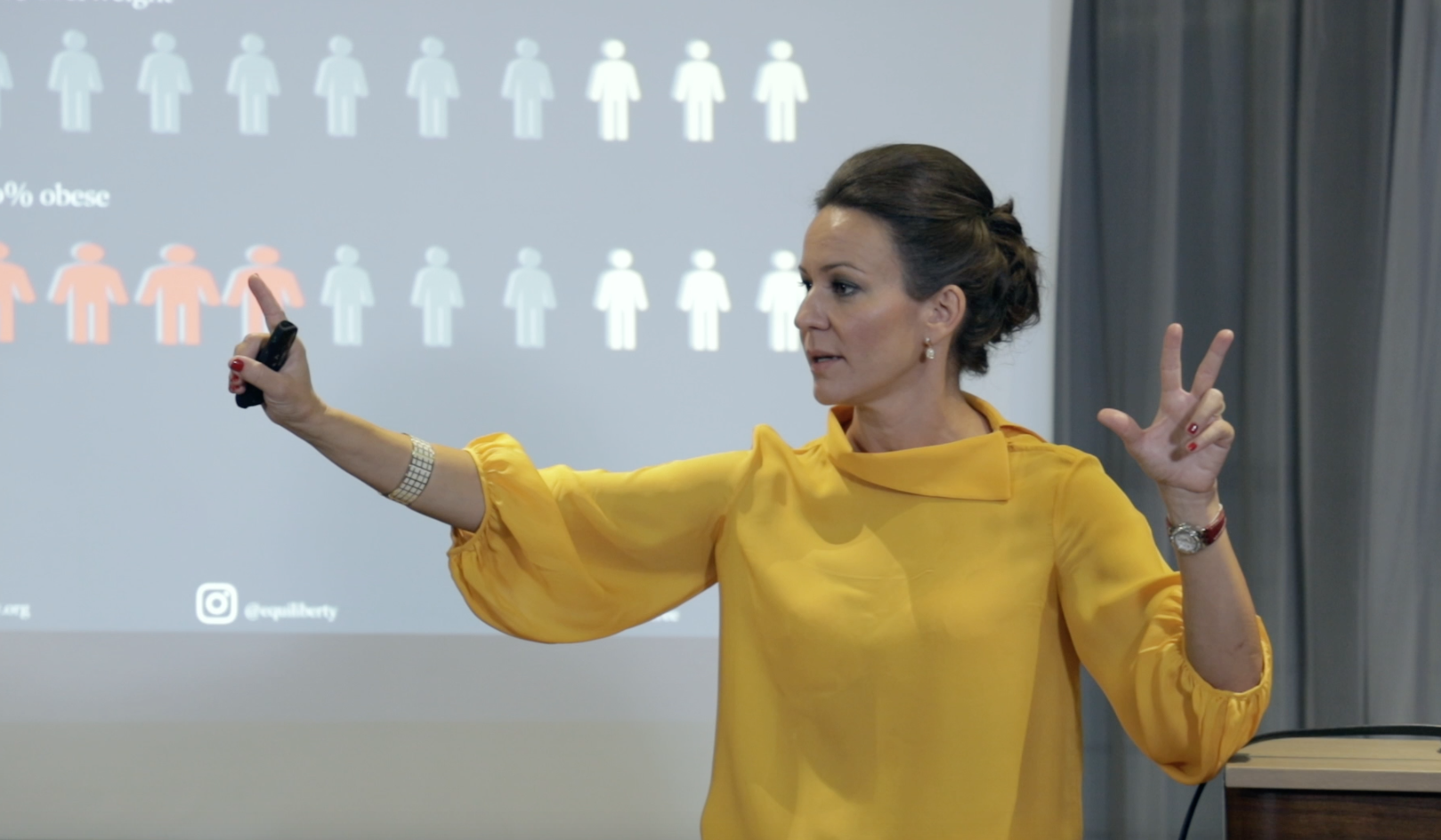
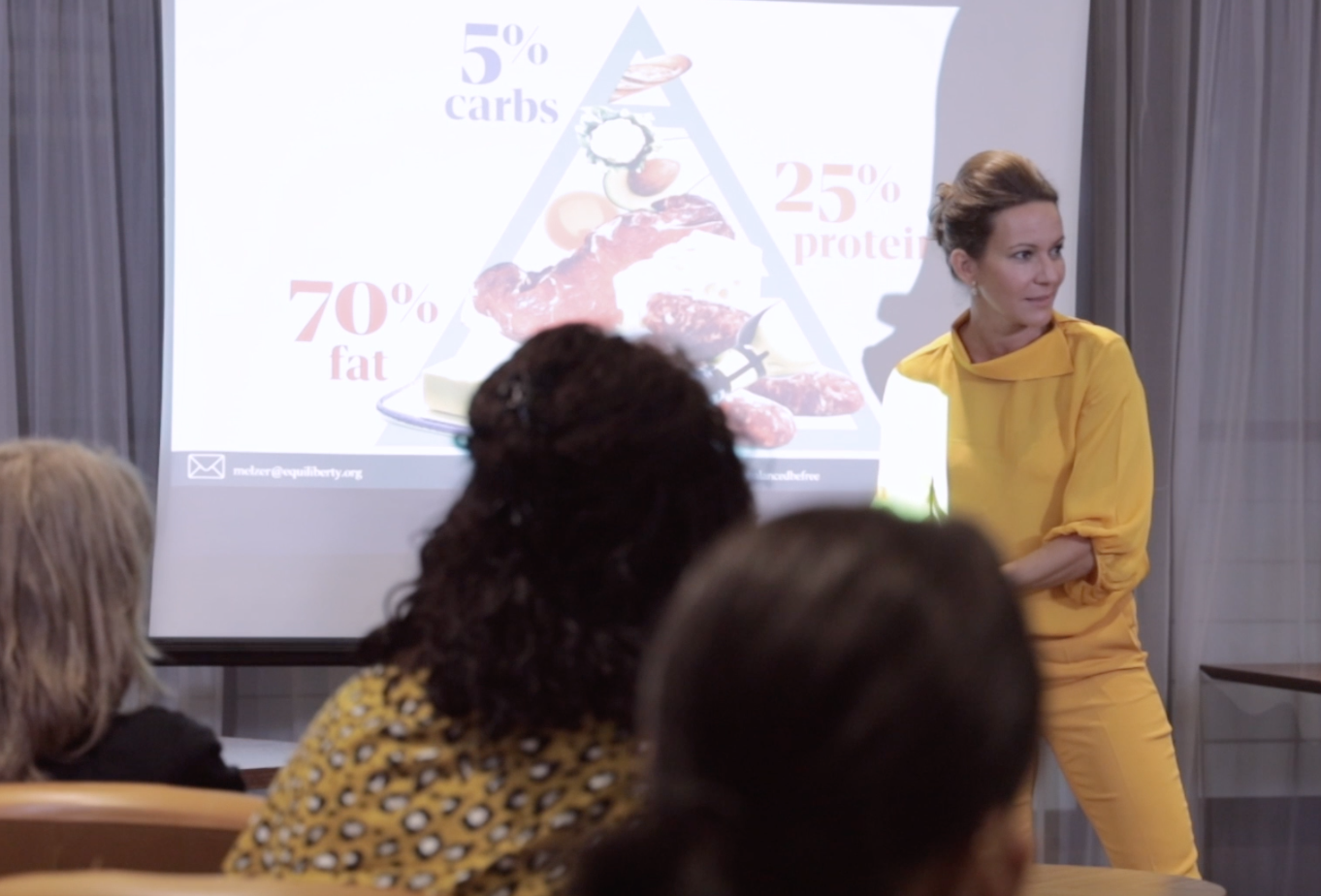
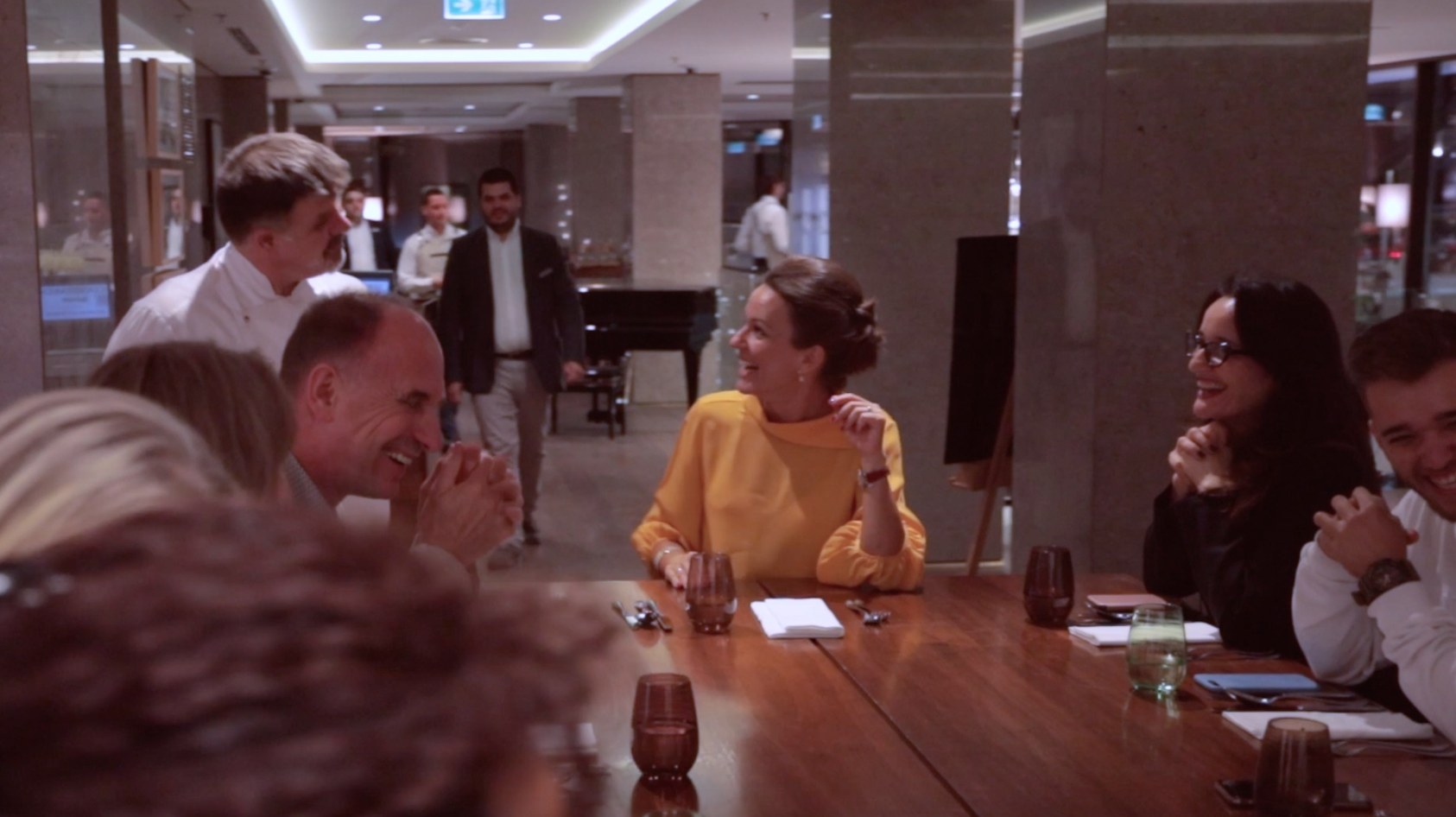
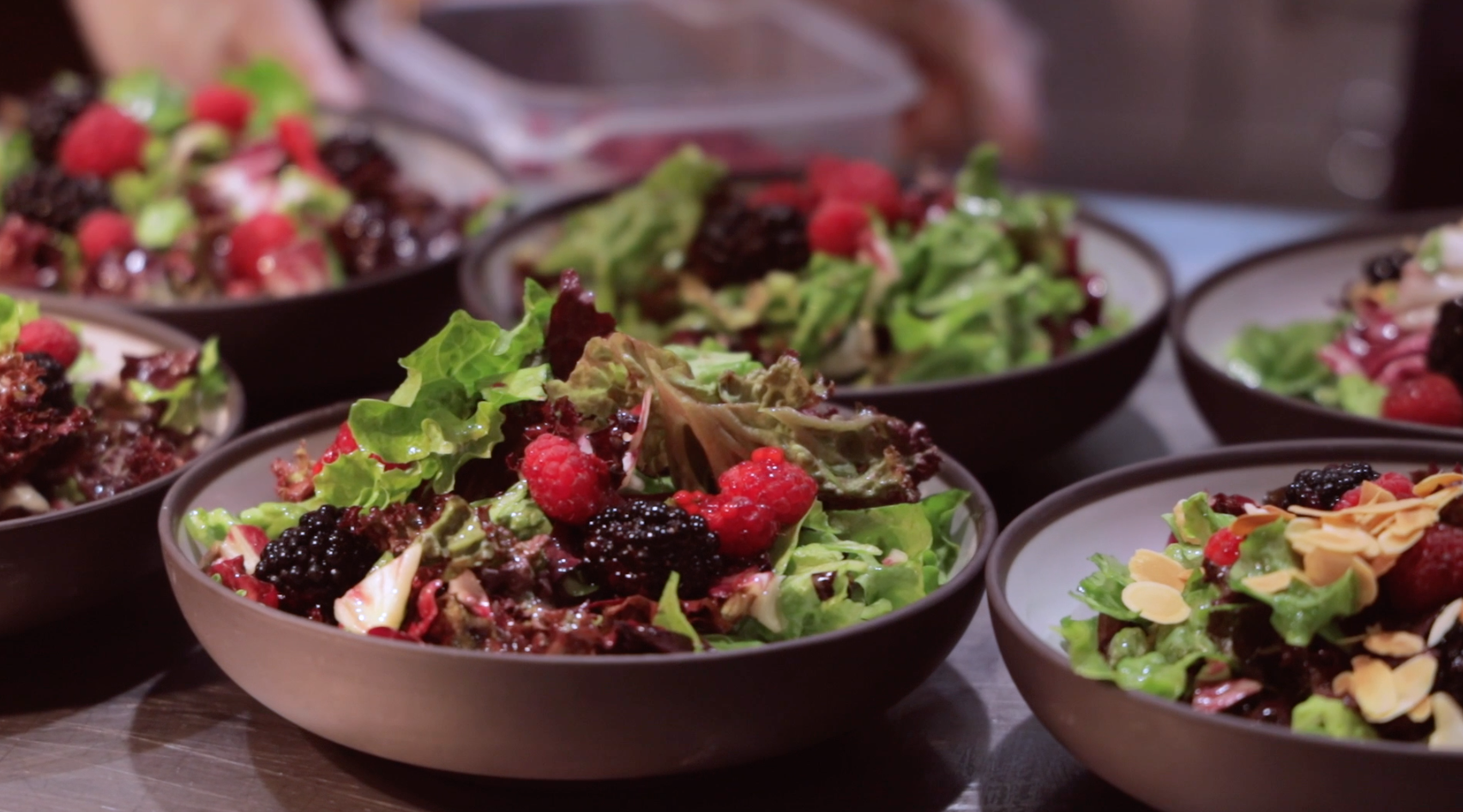
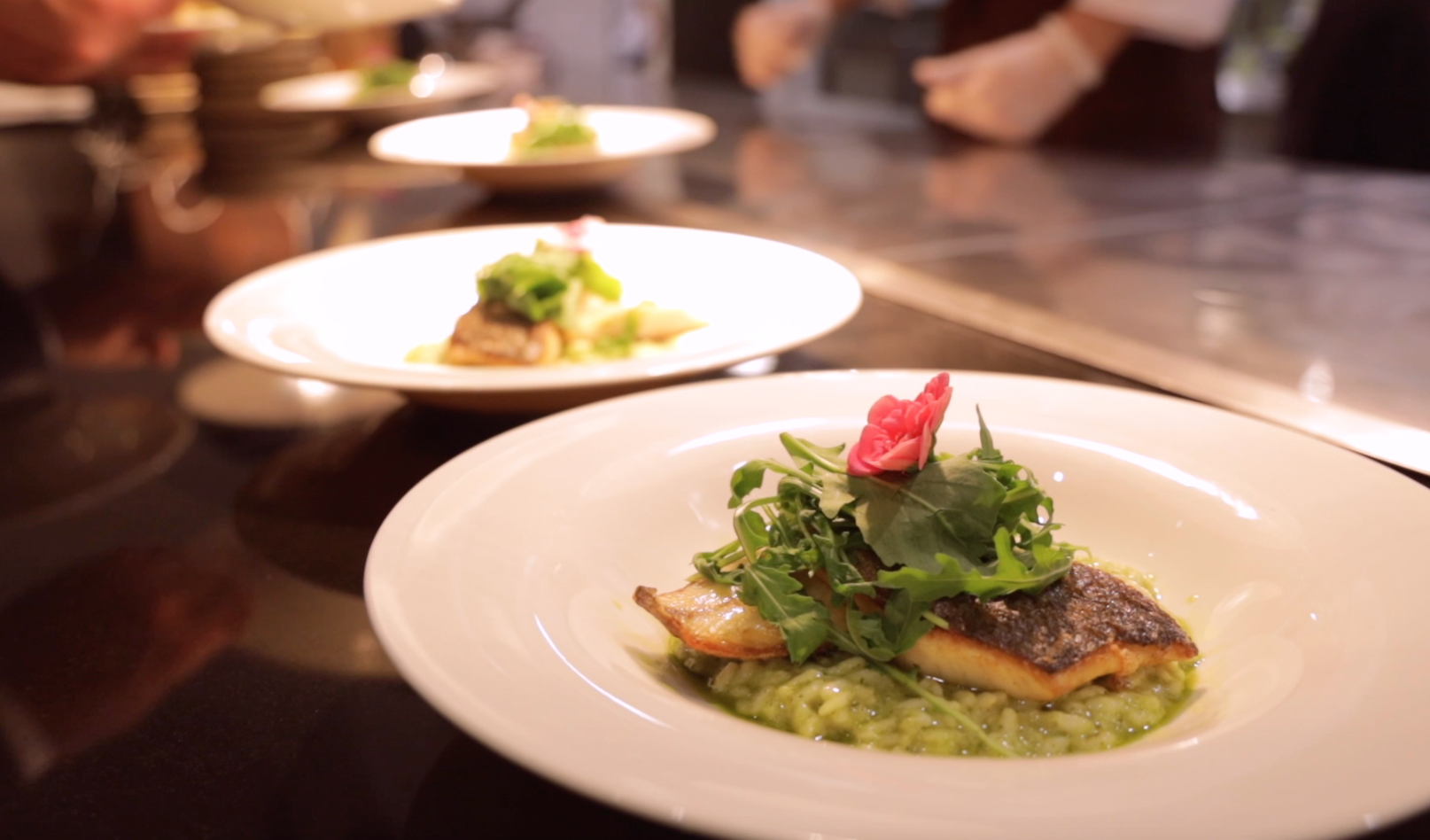
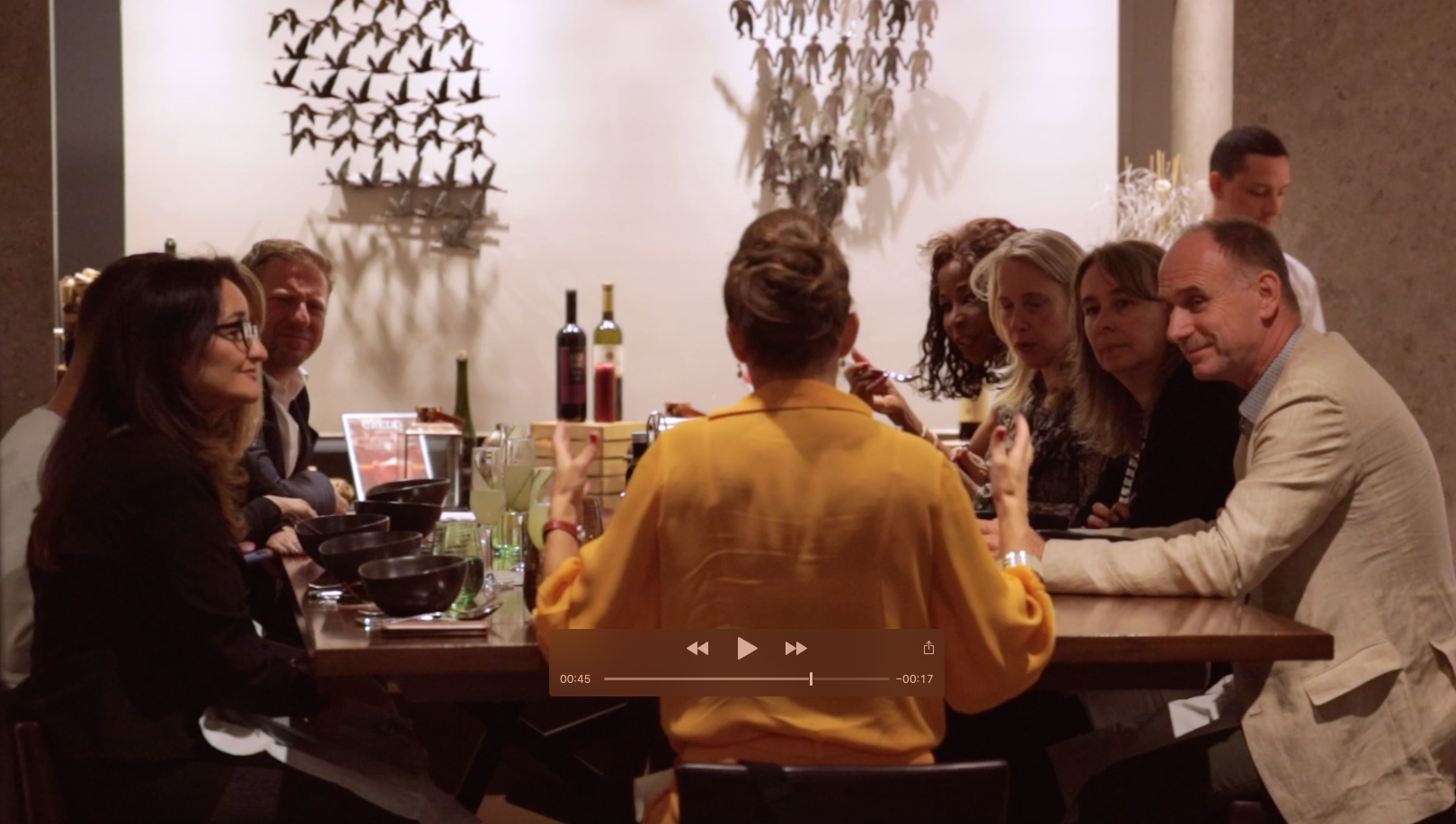
Thank you Courtyard by Marriott Belgrade City Center for hosting the Food for Body and Soul Seminar.
The top event for those curious to explore the science behind joy and well-being.
Join us next time for an inspiring lecture, followed by passionate discussions around a gourmet dinner.




Sport and Nutrition lecture
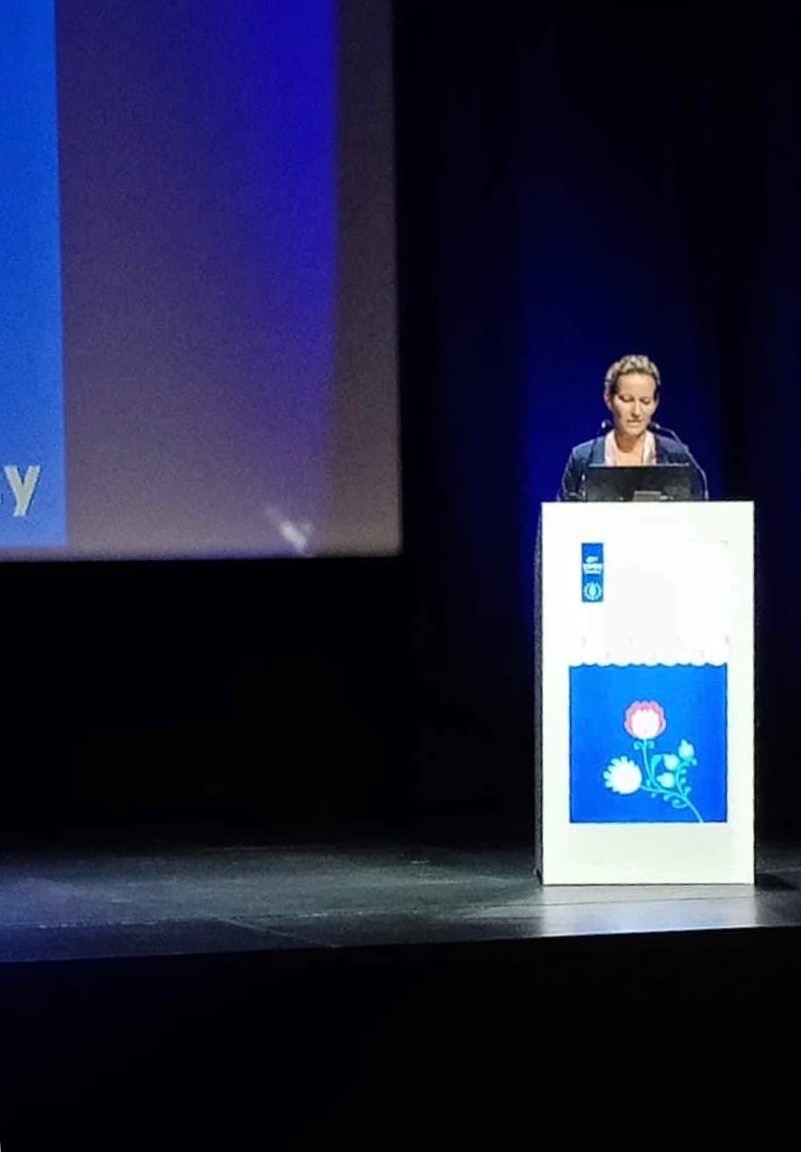
Dr. Katarina Melzer lectures Sport and Nutrition at ESPEN Congress
30. August 2019.
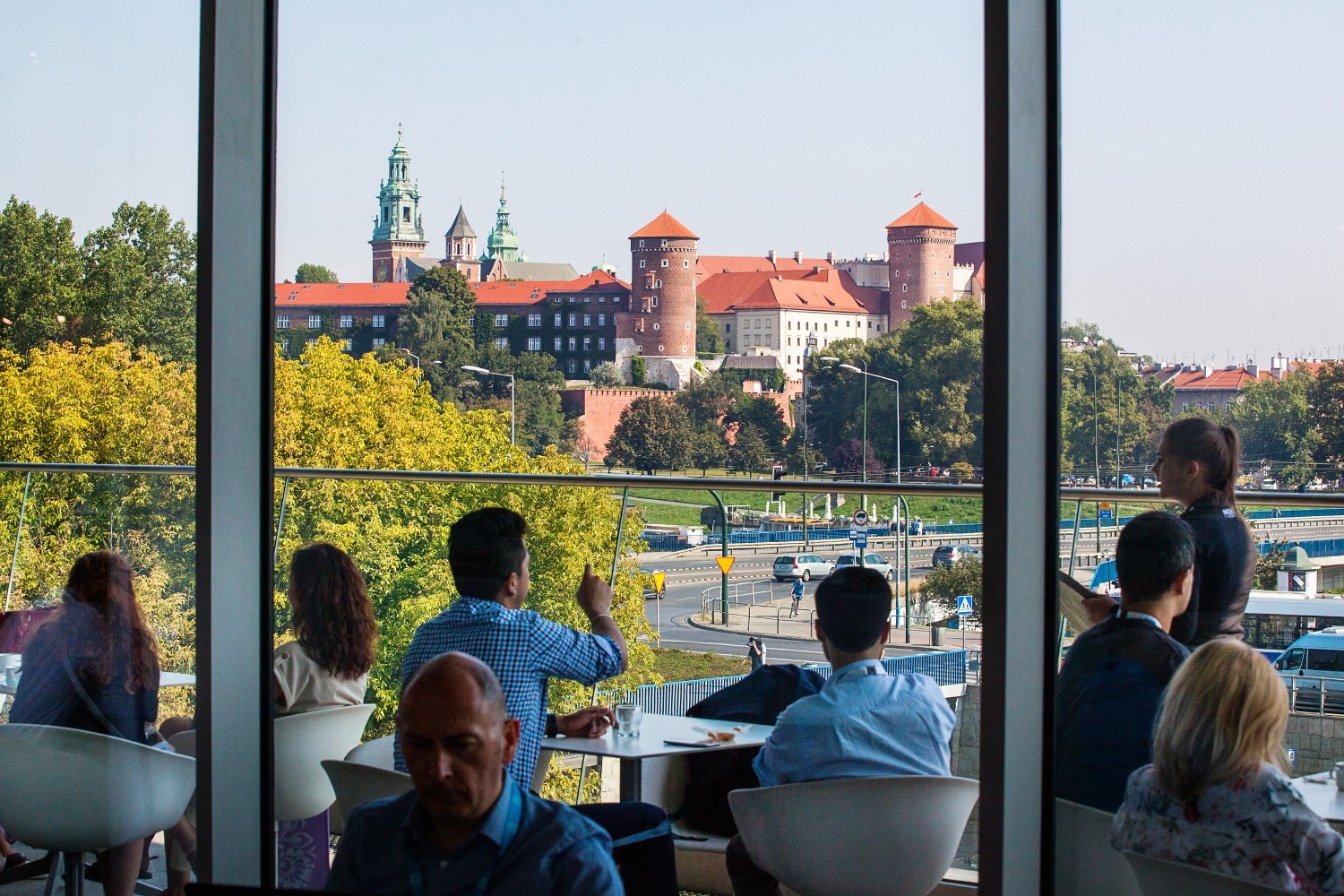
As every year, great being back at ESPEN again, lecturing and exchanging ideas with many brilliant minds, this time in the wonderful town of Krakow.


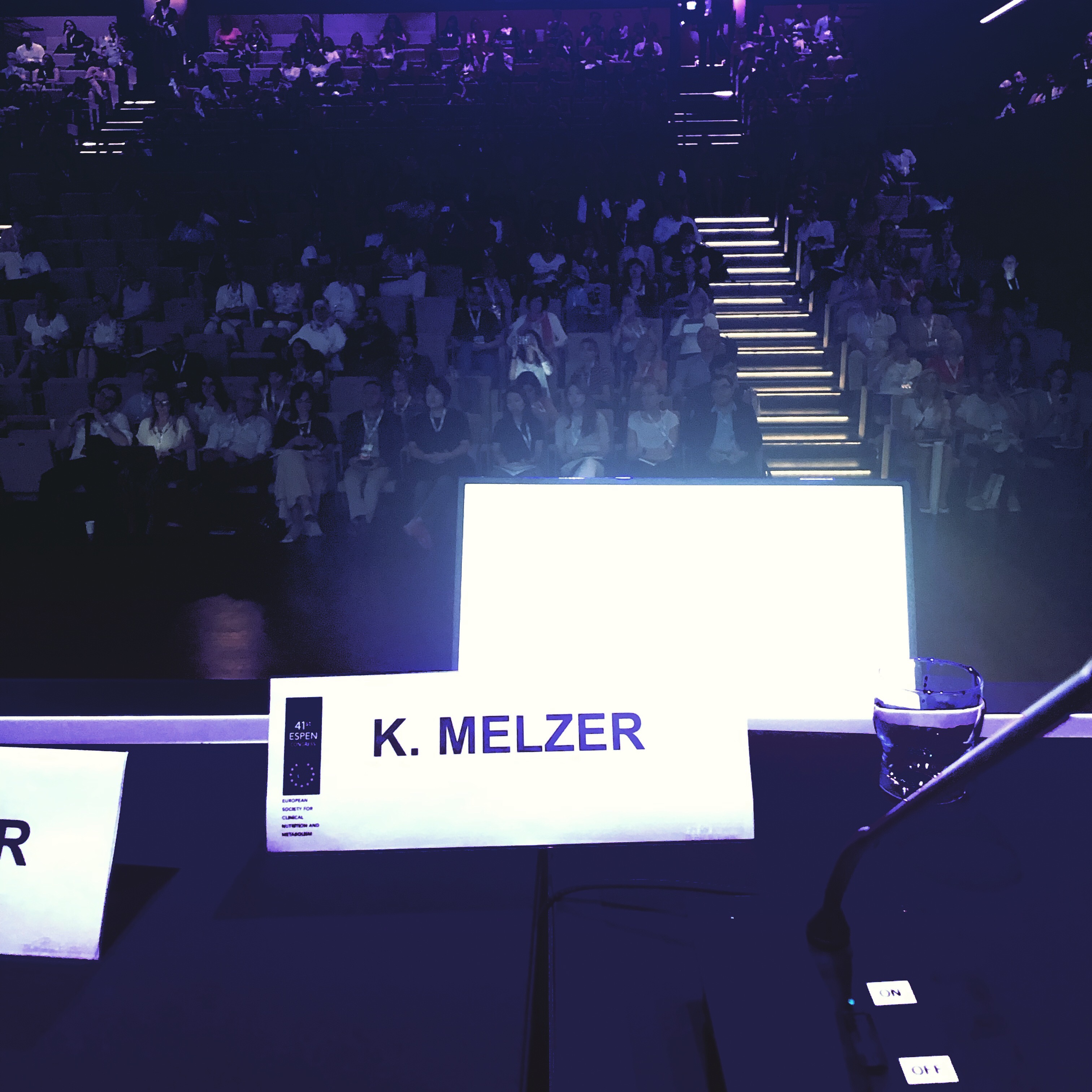

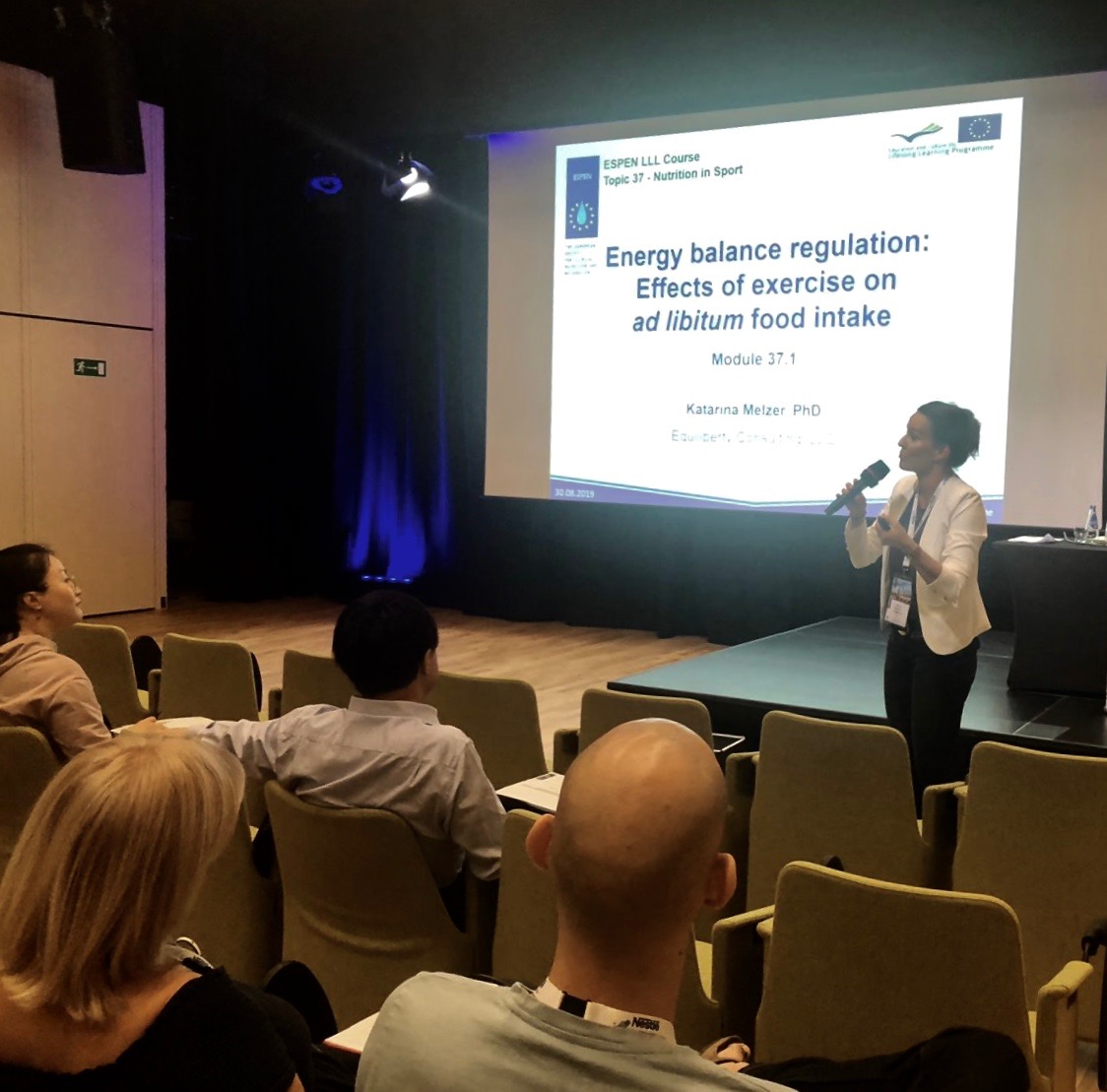
Energy balance is the state in which energy expenditure equals metabolizable energy intake. Negative energy balance occurs when expenditure is greater than intake, and positive energy balance occurs when energy intake is greater than expenditure. The extent to which exercise changes energy balance depends on the extent to which the increase in energy expenditure due to exercise is balanced by a compensatory increase in energy intake.
Variations in energy balance are associated with changes in body weight, and more specifically, with variations in body energy reserves. In healthy adults, protein and carbohydrate stores vary relatively little and body weight regulation mainly concerns adipose tissue mass. The point at which a stable body weight and body composition is reached and defined, therefore, is the point at which fat balance is achieved.
Nevertheless, while studying energy balance regulation, the critical issue is not energy expenditure or intake taken separately, but the adjustment of one to the other under ad libitumfood intake. Studies investigating the effect of exercise on body composition, as well as studies investigating the effect of exercise on ad libitum energy intake, provide insight into the association between exercise and energy balance.
Come and join us for the lecture and interesting discussions!

Journey toward health
Journey toward health – how to find your true self again?
20. June 2019.
While we may be the most comfortable and abundant generation in human history, we certainly are not the most happy, healthy and satisfied. Our longing for an effortless life, free from physical exertion and abundant in fast, energy–rich food comes with a high price tag. In the last four decades, the excess of calories consumed compared to calories expended has tripled overweight and obesity worldwide1, resulting in a sharp increase of related chronic illnesses, disabilities, and deaths.
Today, some 40% of deaths are caused by behavior patterns that could be modified by preventive interventions, such as diets, physical activity2, non-consumption of tobacco, alcohol etc3. Instead of taking action, however, most of us passively observe our own self-destruction. Even those few people who dare to try to change their lives toward better health, are putting themselves in an immediate action: how do we need to adjust our food? How much sport do I have to embark on in order to start losing my weight without dieting? And with dieting? What is the best food for my body?
Sure, nutrition and physiology are important factors, and educating ourselves in this area provides us with valuable guidance. The problem is that while wrong habits in terms of nutrition and exercise may be the cause for many chronic diseases, these habits themselves are only the symptoms of more deeply rooted issues which cause us to adopt this self-destructive behavior in the first place. The truth is that in designing ambitious plans for our personal nutrition and exercise, we keep fighting the symptoms of our problem without addressing its cause. Inevitably, this approach is going to be a constant struggle and, sooner or later, always leads to exhaustion and failure.
Journey toward health
If we want to change our lifestyle for good, we have to start by understanding the deeper reasons for our self-destructive behavior. This is not a question of nutrition or physiology, but of how we think and feel about the world and, especially, about ourselves.
In essence, all our behavior, both constructive and destructive, mirrors our internal landscape. At first, when we were born into this world, we certainly did not feel there was anything wrong with us, or that we needed to prove that we were worthy of love and affection. But this being an imperfect world with lots of imperfect parents and imperfect cultures, societies, religions, and dogmas, our lives and self-perception were increasingly affected. We learned that love and, therefore, self-worth was conditional, that our own voices, hopes and dreams were not reliable. Instead, we were incessantly bombarded by “shoulds” and “should nots” and generated feelings of obligation and guilt, which over the years became an integral part of our own thoughts and emotions and started guiding our decisions and behaviour in daily life. Today, as adults, we often do not realize how much we are still living someone else’s life, a life in which we need to obey and perform in order to feel accepted and worthy of love, and how much we lost ourselves in the process.
So, in our pursuit of happiness, we checked all the boxes on someone else’s checklist: grades, education, achievements, career, car, house, marriage, children, dog – the more the better. Even when we start realizing that all of this won’t give us happiness, we generally don’t change our ways but become desperate and try even harder – increasingly haunted by fears, stress and anxieties. To suppress these feelings, we start reaching for antidepressants, sleeping pills, alcohol and other self-destructive behaviours.
This is, of course, where the chocolate comes in, the junk food and excessive eating. Here, in the depths of our soul, we have once decided to fill our emotional void with food, to sooth our sadness with sugar, to insulate our fears with layers of fat. But your soul knows the truth and it has not forgiven your betrayal. Your soul knows about the constant diet of neglect, duty, fear and shame, leaving you starving for love and acceptance. It knows about the self-destructive strategies you have developed to escape the pain, but it also knows the only true remedy to your problems and keeps screaming at you through your emotions. The only question is: when will you start to listen?
When will you start to understand that your negative feelings are all produced by your own mind in response to judgmental thoughts you inherited from your childhood environment? When will you start to realize that unconditional love and acceptance cannot come from food, drugs or other people, but must always come from within? When will you finally see that your own worth and dignity is not conditional on performance but is inherent in your very being and, therefore, can be neither earned nor lost? Your soul knows all of this, and it also knows everything else there is to know. So when will you start to listen?
Let us be honest
Let us begin by being honest. What you need most in order to lose weight and achieve a healthy lifestyle is not knowledge about nutrition and physiology. What you need most is love. Love for yourself, your beautiful body and your wonderful soul, and your unique, brilliant self. Once you truly love yourself, will you keep stuffing your body with junk food and let it waste away on the couch without exercise, sunlight and fresh air? Once you truly love yourself, will you still have to suppress your unhappy feelings with drugs, food and alcohol? Once you truly love yourself, you will learn about nutrition and physiology with joy, you will cook, eat and exercise with pleasure, and your journey through life will be balanced, free and passionate – the wonderous experience it was always supposed to be.
Are you ready?
A Serbian translation of this article was published in the June edition of Sensa Magazine.
References:
- WHO. Obesity and overweight. Key facts. www.who.int/news-room/fact-sheets/detail/obesity-and-overweight
- Melzer et al. Physical activity outweigh the risk. Curr Opin Clin Nutr Metab Care.2004 Nov;7(6):641-7.
- McGinnis JM1, Williams-Russo P, Knickman JR. The case for more active policy attention to health promotion. Health Aff (Millwood). 2002 Mar-Apr;21(2):78-93.

"Food for Body and Soul" soon in Belgrade!
Eating is one of the most fundamental processes of life. Yet, no generation before ours has been so confused as to what, when and how much to eat. Dr. Melzer brings clarity into the jungle of contradictory nutritional doctrines, many of which do not reflect most recent science. Dr. Melzer offers the insight and confidence we need to make independent decisions about proper nutrition and encourages us to enjoy the process!
Separate seminars will be held in English and Serbian. More information follows.

Iako je ishrana jedna od osnovnih funkcija života, nijedna generacija do sada nije bila toliko zbunjena na koji način, kada i koliko jesti. Dr. Melzer unesi jasnoću u sadašnju džunglu često zbunjujućih i kontradiktornih nutricionistikčih doktrina, od kojih mnoge nisu bazirane na naunčim rezultatima, pruža znanje i samopouzdanje da samostalno donosemo odluke o pravilnoj ishrani i ohrabruje nas da uživamo u tom procesu!
Odvojeni seminari ce biti održani na engleskom i srpskom jeziku. Vise informacija sledi.


Join Dr. Melzer at ESPEN Congress 2019!
Join Dr. Melzer at ESPEN Congress 2019!
20. May 2019.
Like every year, the 41st European Society for Nutrition and Metabolism Congress (ESPEN) gathers prominent experts from all over the world to present the latest findings and most important science around clinical nutrition and metabolism.
Dr. Katarina Melzer lectures on two occasions:
30. August Nutrition and Sport
1. September Body Composition in Healthy People
ESPEN 2019 offers a great opportunity for physicians, dietitians, pharmacists, nutritionists, scientists and nurses involved in the field of nutrition and metabolism to meet and discuss cutting edge issues in an informal ambience, reinforcing old and stimulating new collaborations.
We hope to see you in Krakow in 2019!

For all pregnant women: Be active!
Advice for pregnant women: Get ready and moving – it is good for you!
12. May 2019.
Today, the global public health discussion is increasingly dominated by slogan “Exercise is Medicine”, which encourages health care providers to include physical activity in their design of treatment plans. On the occasion of this year’s Mother’s day, I would like to illustrate the significance of this perspective for all women about to become mothers, namely by outlining the latest scientific findings regarding the effects of physical activity on pregnancy outcomes.
Traditional advices for pregnant women
Traditionally, pregnant women were advised to reduce physical activity levels. This advice was based on concerns that exercise would negatively affect pregnancy outcomes by raising core body temperature, by increasing the risk of maternal musculoskeletal injury due to changes in posture and ligamentous laxity, and by shunting transport of oxygen and nutrients to maternal skeletal muscle rather than to the developing fetus.
Latest scientific findings
Research has provided new information on how pregnant women and their fetuses respond to moderate physical activity. Latest findings show no adverse maternal or neonatal outcomes. Moreover, regular moderate physical activity has been shown to result in marked benefits for mother and fetus. Maternal benefits include improved cardiovascular function, limited pregnancy weight gain, decreased musculoskeletal discomfort, reduced incidence of muscle cramps and lower limb edema, mood stability, a reduction of gestational diabetes and gestational hypertension, and less complicated labor. Fetal benefits include decreased fat mass, improved stress tolerance, and advanced neurobehavioral maturation1.
American College of Obstetricians and Gynecologists (ACOG) stand
Based on these data, the American College of Obstetricians and Gynecologists (ACOG) recommends that pregnant women, who are free of medical or obstetric complications, follow the American College of Sports Medicine – Centers for Disease Control and Prevention general guidelines for physical activity, and engage in 30 minutes or more of moderate physical activity per day on most, if not all, days of the week.
However, these recommendations are not universally accepted. Some investigators argue that the ACOG guidelines may be too cautious and that there is no firm evidence that exercise at higher intensities produces any harmful effects on the fetus. On the other hand, some authors are reluctant in recommending physical activity during pregnancy, because of the insufficient evidence about benefits and risks.
In order to evaluate the influence of the recommended levels of physical activity on pregnancy, labor and delivery, we conducted an observational study with energy expenditure, aerobic fitness, and sleeping heart rate measured in 44 healthy women in late pregnancy at the University Hospital of Geneva2. The results showed that active women, who engaged in 30 minutes or more of moderate physical activity per day, had better aerobic fitness than inactive women, with no negative effects on fetal condition or outcome of labor and delivery. When controlled for birth weight, maternal weight gain and parity, the risk for operative delivery was lower, and the duration of the second stage of labor was shorter in active when compared to inactive.
Other studies with larger sample sizes further analyzed the beneficial effect of physical activity on the course of labor and delivery. A meta-analyses of 16 randomized controlled trials (3359 women) confirmed that structured exercise significantly reduces risks of cesarean delivery. These findings are important to convince women to be active during pregnancy, and should be recommended by physicians, when this is not contraindicated3.
Pregnant women are inactive nowadays
Unfortunately, physical activity level is generally low in gestation and tends to decrease as pregnancy advances4. The decrease in physical activity during pregnancy is probably attributed to difficulties of movement related to larger body mass and discomfort from pregnancy induced morphological and physiological changes. Reductions also occur as a result of behavior changes with respect to the type of activity and in the pace or intensity at which it is carried out4.
The adoption or continuation of a sedentary lifestyle during pregnancy may contribute to the development of certain disorders such as hypertension, maternal and childhood obesity, gestational diabetes, dyspnea, and preeclampsia. In addition, irregular eating habits and decreased physical activity after delivery influence postpartum weight retention5. Women who retain more body weight after pregnancy have, in general, larger pregnancy body weight gain, higher pre-pregnancy body mass index, marked weight changes in previous pregnancies, lactate slightly less and stop smoking during pregnancy to a larger extent5. In view of the global epidemic of sedentary behavior and obesity-related pathology, physical activity was shown to be useful for the prevention and treatment of these conditions.
Overall, the conclusions drawn from latest scientific research can be said to advocate an active lifestyle for all healthy women with uncomplicated pregnancies. Therefore, dear mothers and mothers-to-be: get ready and moving – it is good for you!
References:
- Melzer K. et al. Physical activity and pregnancy. Cardiovascular adaptations, recommendations and pregnancy outcomes. Sports Med 2010; 40(6):493-507.
- Melzer K. et al. Effects or recommended levels of physical activity on pregnancy outcomes. Am J Obstet Gynecol 2010; 202: 226.e1-6.
- Domenjoz I. et al. Effect of physical activity during pregnancy on mode of delivery. Am J Obstet Gynecol 2014 Oct; 211(4):401.e1-11.
- Melzer K. et al. Pregnancy-related changes in activity energy expenditure and resting metabolic rate in Switzerland. Eur J Clin Nutr.2009; 63(10): 1185-91.
- Melzer K, Schutz Y. Pre-pregnancy and pregnancy predictors of obesity. Int J Obes (Lond) 2010; 34 Suppl. 2:S44-52.

Re-connect with your joy of life!
Re-connect with your joy of life!
25. March 2019.
Check out Dr. Melzer’s latest interview with Fashion Mag 42 here, and reconnect with your joy of life!

Interview with Dr. Katarina Melzer, Director of Equiliberty Consulting, LLC
M42: What does Equiliberty Consulting stand for? At Equiliberty, we help people and institutions to reach their full potential! As our name “Equiliberty” suggests, we believe that health, happiness and success can only result from a life lived in balance and liberty! When your life is out of balance, whether in terms of diet, physical activity or simply having fun, you will eventually get frustrated and slide into addictions and sickness. Similarly, if you cannot liberate yourself from the constant influence of stress, pressure, and rigid expectations, it is only a question of time until you crack. The good news is that a happy life in balance and liberty can be achieved by anyone who is ready to question their unhealthy behavioral patterns and re-connect with their inner joy of life. At Equiliberty we support people along this journey.
FM42: What services do you offer at Equiliberty?
At Equiliberty, we offer a broad range of services to individual, institutional and corporate clients, from scientific research, expert consulting, seminars and customized training. We tailor our services to the needs of each client with a view to help them create environments, attitudes and habits conducive to healthy lifestyles. The truth is that, today, 40% of deaths worldwide result from harmful behavioral patterns that could easily be prevented, such as sedentarism, obesity, and over-consumption of tobacco, alcohol and other substances.
Already personal routines of moderate physical activity significantly decrease the probability of at least 35 chronic diseases and other unhealthy conditions. Moreover, we know that workplace health education programs significantly reduce the incidence of sickness, reduced productivity and work place absence. In fact, for every dollar invested by employers in such programs, there is an average savings of more than three dollars. In business terms, that is a 3:1 return of investment and, therefore, really should be a no-brainer for any manager.
Although eating is one of the most basic functions of life, no generation before us has been as confused and anxious about what, when and how much to eat. At Equiliberty, we aim to bring clarity and simplicity into the current jungle of often confusing and contradictory nutritional doctrines, many of which have little or no basis in science. We aim to provide clients with the knowledge and self-confidence to take their own decisions as to what, when and how they want to eat and, last but not least, we encourage them to enjoy the process!
FM42: What are the biggest challenges in achieving those goals?
As human beings, we are a unity of mind, body and soul. Any harmful behavioral pattern results from emotional impulses caused by the thoughts we created in our minds. Scientifically, we know today that when you change your beliefs for the better or the worse, you change your entire biochemistry accordingly. Therefore, even the best “food for body” is meaningless without adequate “food” for the soul and the mind. How can we expect to have a balanced and healthy body when, in fact, most of us go through life in a mental and emotional state of stress, anxiety, or silent desperation? How should be live happy, healthy and successful lives when our underlying beliefs are that we are powerless, undeserving and unable to do better? So if you want to achieve your full potential in an area of your life, you have to be ready to explore and, if necessary, change your most fundamental beliefs about life and about yourself. This is always the biggest challenge, because it requires us to let go of familiarity, leave our comfort zone and embark on a new journey towards discovering our fullest potential and becoming the best version of ourselves. To us at Equiliberty, this is the only journey worth traveling in life, and it is our mission to get as many people as possible to join us for the ride!
FM42: Are you planning to offer seminars and workshops for the public and how can you be contacted?
Since the establishment of Equiliberty Consulting, we have focused primarily on institutional projects relating to scientific research and work place health. I am happy to announce, that we will this year finally be able to expand our focus and, in particular, launch our tailor-made seminars for institutional, corporate and private clients. Simply contact us at www.equiliberty.org or follow us on our new social media profiles where all upcoming activities and events will be announced. Be balanced, be free, Equiliberty!

Health promotion within corporations
Health promotion within corporate settings
18. February 2019.
Proud to be a part of a promising project aiming to identify measures for health promotion and
disease prevention by tracking the health status of MIGROS employees in the Canton of
Vaud, Switzerland, based on ergonomic, physical activity, nutrition and psychological health
data.
The pilot project M Well (Well@Work) is established and carried out in cooperation between
several partners, including SUVA, Promotion Santé Suisse, Office fédéral de la santé publique (OFSP) and Katapult (previous Sportegg) in the framework of health promotion within corporate settings. The project intends to evaluate a dataset simultaneously collected in ergonomic, physical activity, nutrition and psychological health domains among employees working for MIGROS Vaud.
The main objective of this intervention model is to establish a global health status profile
among collaborators working for the MIGROS Vaud. On the basis of the analyses performed
using the available ergonomic, physical activity, nutrition and psychological dataset, each
MIGROS Vaud employee would be able to receive feedback relating to their health status as
well as professional recommendations aiming at producing better health outcomes using a
specially dedicated internet platform. Furthermore, this intervention enables the company to
track the health status of its employees, and introduce necessary measures for health
promotion and disease prevention.