


The daunting cost of malnutrition
The daunting cost of malnutrition - time for action!
4. February 2019.
- Malnutrition results from low-quality diets that contain either insufficient calories, vitamins and minerals or too many calories, saturated fats, salt and sugar and, in both cases, significantly increases the risk of morbidity and mortality¹.
- Chronic undernutrition delays physical growth and cognitive development, causes poor performance and work absenteeism, and reduces both personal earnings and overall economic productivity².
- In low-income nations, the loss of productivity due to undernutrition ranges from 3 to 16% of gross domestic product, and costs workers 10% or more of their lifetime earnings (2).
- Similarly, overweight and obesity are major risk factors for chronic diseases, such as cardiovascular diseases, cancer, chronic respiratory diseases and diabetes, which currently account for over 60% of global deaths³.
- In high-income countries such as the United States, job absenteeism linked to obesity reduces output by USD 4.3 billion each year, costing employers an average of USD 506 annually per obese worker².
- A full course of therapy to save the life of a severely wasted child cost between USD 100 and USD 200 per child².
- At the same time, the per capita healthcare costs in the United States alone are more than 80% higher for severely or morbidly obese adults than for adults with a healthy weight.
- In conclusion, immediate and decisive action is needed to avert the profoundly destructive consequences for public health care costs and economic growth of all forms of malnutrition.
Ready for action? Partner with us at: www.equiliberty.org!
Dr. Katarina Melzer

References:
- Global Panel on Agriculture and Food Systems for Nutrition. 2016. Food systems and diets: Facing the challenges of the 21st century. London, UK.
- Global Panel on Agriculture and Food Systems for Nutrition. 2016. The cost of malnutrition. Why policy action is urgent. London, UK.
- HLPE. 2017. Nutrition and food systems. A report by the High Level Panel of Experts on Food Security and Nutrition of the Committee on World Food Security, Rome.

From dietary energy deficit to surplus
From energy deficit to surplus – Where do we stand? Where do we go?
28. January 2019.
Did you know?
- Worldwide, malnutrition is the number one risk factor for sickness and deaths – greater than the risks of unsafe sex, alcohol, drug and tobacco use taken together¹.
- Of the world’s population, one person in three is malnourished, i.e. either undernourished (dietary energy deficit), overweight or obese (dietary energy surplus), or micronutrient deficient².
- Undernutrition affects a staggering 25% of the world’s children and 10% of the overall population¹.
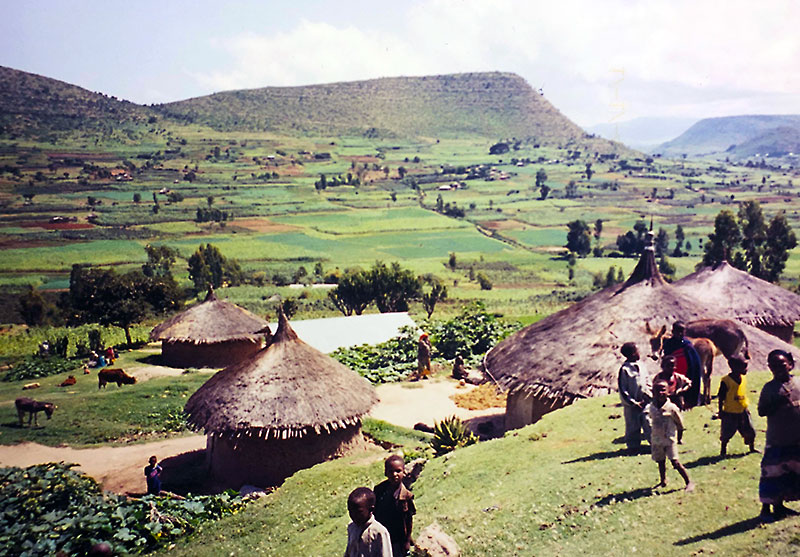

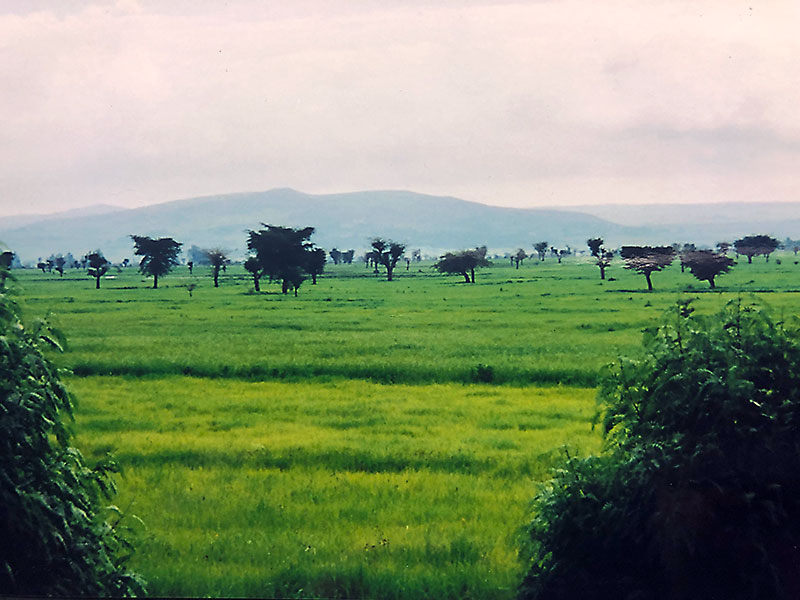

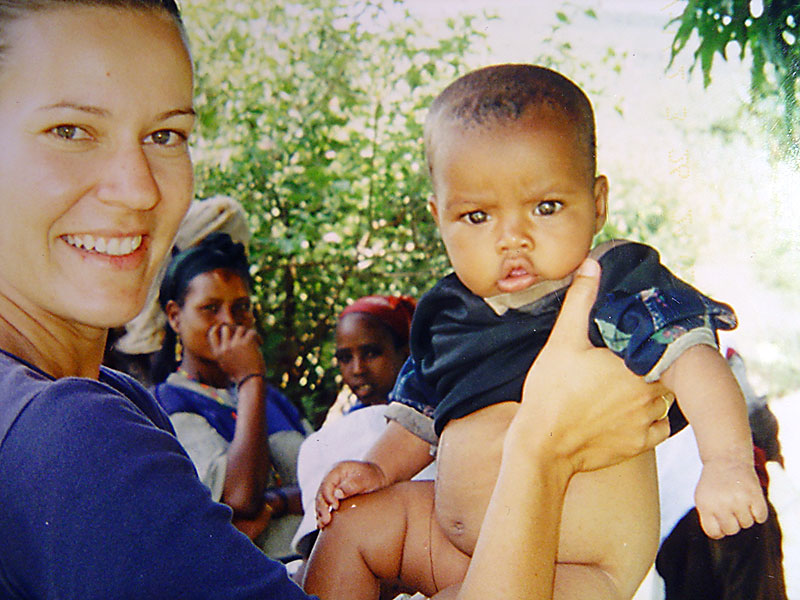
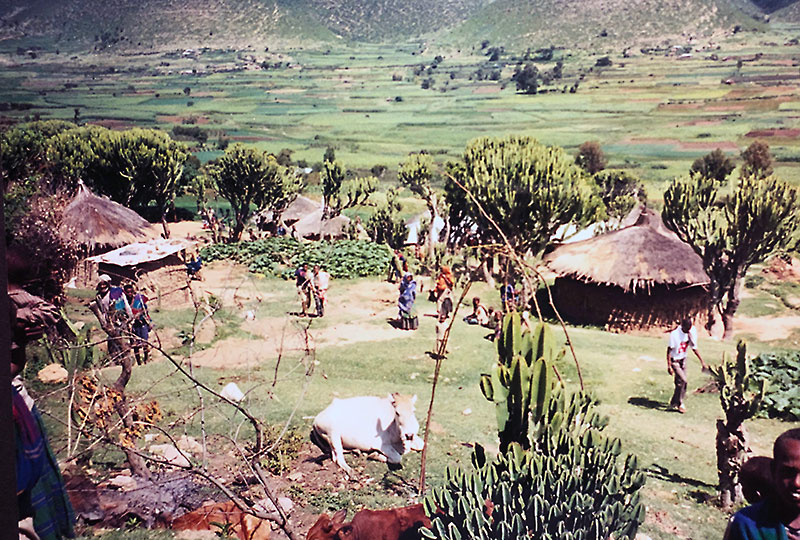
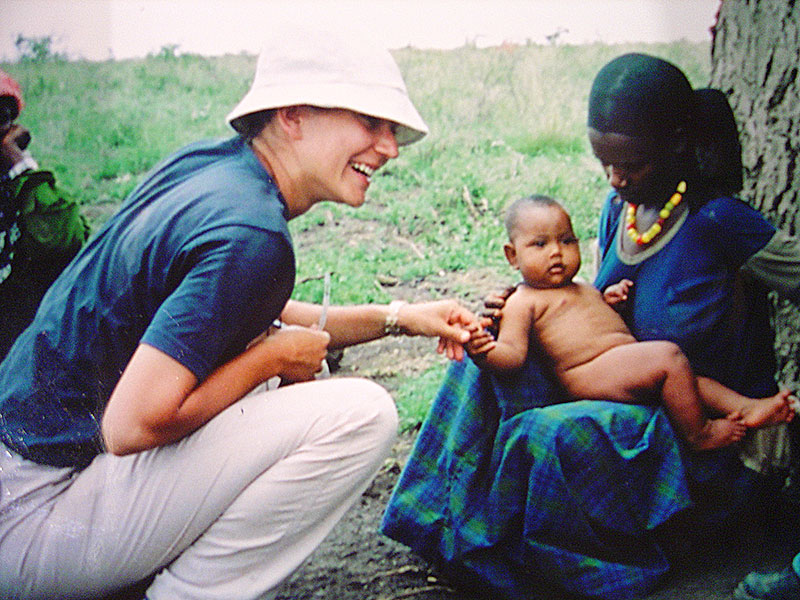
- Of all children under the age of five, 23% (155 million) are stunted or chronically undernourished (low height-for-age), and 8% (52 million) are wasted or moderately acutely malnourished (low weight-for-age)¹, whereas 6% (41 million) are overweight² ³.
- Among the world’s adult population, 39% are overweight and 13% are obese³, and more than 50 % of the world’s obese live in the following 8 countries: USA, China, India, Russia, Brazil, Mexico, Egypt, and Germany².
- The global prevalence of overweight and obesity is on the rise and, already now, more people are obese than underweight³.
- Although the worldwide hunger rate has fallen in the past 25 years, no country has ever successfully reversed growth of obesity once it has been allowed to develop².
These are the hard facts worldwide – now where do you stand in your own life? Let’s talk about it!
References:
- Global Panel on Agriculture and Food Systems for Nutrition. 2016. Food systems and diets: Facing the challenges of the 21st century. London, UK.http://www.fao.org/3/a-i7846e.pdf
- HLPE. 2017. Nutrition and food systems. A report by the High Level Panel of Experts on Food Security and Nutrition of the Committee on World Food Security Rome.http://glopan.org/sites/default/files/ForesightReportExecSummary.pdf
- WHO. Obesity and overweight. Key facts. https://www.who.int/news-room/fact-sheets/detail/obesity-and-overweight (accessed Dec 21, 2018).

Dr. Melzer authors the ESPEN Blue Book

Dr. Melzer authors the 5th edition of the ESPEN Blue Book, an important source of knowledge and up-to-date information for physicians, dieticians, pharmacists, nurses and students that aims to improve practice in nutrition and metabolism worldwide. The newest edition will be published in September 2019. In the meantime check out ESPEN Blue Book previous issues.

Dr Melzer lectures at the 40th ESPEN Congress
Dr Melzer lectures at the 40th European Society for Clinical Nutrition and Metabolism (ESPEN) Congress, where she focused on energy balance regulation in athletic and non-athletic populations. The Congress, which took place in September in Madrid, gathered prominent experts and specialized academics around the topic of clinical nutrition and metabolism.



Are you ready to take responsibility?
Are you ready to take responsibility?
1. January 2019.
We are living in an era of self-destructive behavior.
Our longing for an effortless life, free from physical exertion and abundant in fast, energy–rich and nutritionally impoverished food comes with a high price tag. In the last four decades, the excess of calories consumed compared to calories expended has tripled the prevalence of overweight and obesity worldwide¹, resulting in a sharp increase of related chronic illnesses (cardiovascular disease, diabetes, cancer), disabilities, and deaths, with exploding socio-economic costs in terms of medical care, sick leaves, and worksite absenteeism².
Without any doubt, we are the most comfortable generation that ever lived on this planet, sacrificing our health, well-being and productivity on the altar of our luscious lives. Even when we start to feel the consequences of our self-destructive behavior, we usually start blaming the scale, the shrinking laundry, the kids, and the weather, soothing our emotional discomfort with intensified compensatory eating, excessive drinking or smoking. Once we realize that passive worrying and blaming our circumstances is not going to solve the problem, most of us already give up and turn to the health care industry for salvation.
We are running the system of “sick” care, not “health” care
Unfortunately, the health care industry is not keeping us healthy, but is turning obesity and related diseases into new business opportunities: diet pills, heart bypass operations, insulin pumps, bariatric surgeries. Indeed, the medical industry has perfected the art of keeping its customers alive after their western lifestyle has made them sick, and it certainly has little or no interest in shrinking its own customer base. As a consequence, we spend more than ever on health care, while at the same time, being more sick and unhealthy than ever.
Prescription over education and prevention
So let’s get real: the health care industry prioritizes profit over people, prescription over education and prevention. In reality, we are running a system of sick care, not health care; we prefer to treat patients after they get sick than to provide them with services and opportunities designed to kee them from ever becoming patients in the first place.
Today, some 40% of deaths are caused by behavior patterns that could be modified by preventive interventions, such as diets, physical activity, non-consumption of tobacco, alcohol etc³. If we ever want to overcome the sickening business model of making fortunes with disease while letting patients and the general society bear the costs, we finally need to move to a business model that embraces the social determinants of health. We need to create health industries, medical professions and environments that are based on prevention, not cure, and that focus on keeping people in their community rather than in hospitals.
Ultimately, however, even preventive environments will not help if we do not individually take responsibility for our own behaviour. Let’s face it: Our life, our health, our happiness and our satisfaction are our responsibility and ours alone. We may not be able to make the rain stop, but it is our responsibility to go for a run nonetheless. We may not be able to avoid stress at work, but it is our responsibility not to drown resulting anxieties in excessive consumption of chocolate. And it is all right to occasionally watch movies that keep you on the edge with suspense, but this does not mean you necessarily have to indulge in excesses of popcorn, sweets and soft drinks until “happy end” has been declared.
Are you ready to take the responsibility?
For the absolute majority of us, our health and our productivity is what we choose it to be. As long as we keep blaming others or our circumstances, or try to outsource our responsibility to a health care industry focused on drawing profit from disease, we will see ourselves as victims unable to respond to the challenges of our modern world. Without ‘response-ability’, however, we are predestined to fail. We may have all the right arguments and excuses but, deep inside, we will always know we have just chosen the easier way, deluding ourselves that we are actually comfortable being increasingly uncomfortable.
The plain and simple truth is that your life is your responsibility, and that your power to change it for the better is only a decision away.
Are you ready?
References:
- WHO. Obesity and overweight. Key facts. www.who.int/news-room/fact-sheets/detail/obesity-and-overweight (accessed Jan 14, 2019).
- Candari J. CJ, Nolte E. Assessing the economic costs of unhealthy diets and low physical activity. An evidence review and proposed framework. The European Observatory on Health Systems and Policies. (accessed Jan 11, 2019).
- McGinnis JM, Williams-Russo P, Knickman JR. The case for more active policy attention to health promotion. Health Aff (Millwood). 2002;21(2):78-93.