
Moving Through Cancer: Why Physical Activity Matters
10. September 2026
What I taught for the ESPEN Life-Long Learning Programme in Amman, Jordan
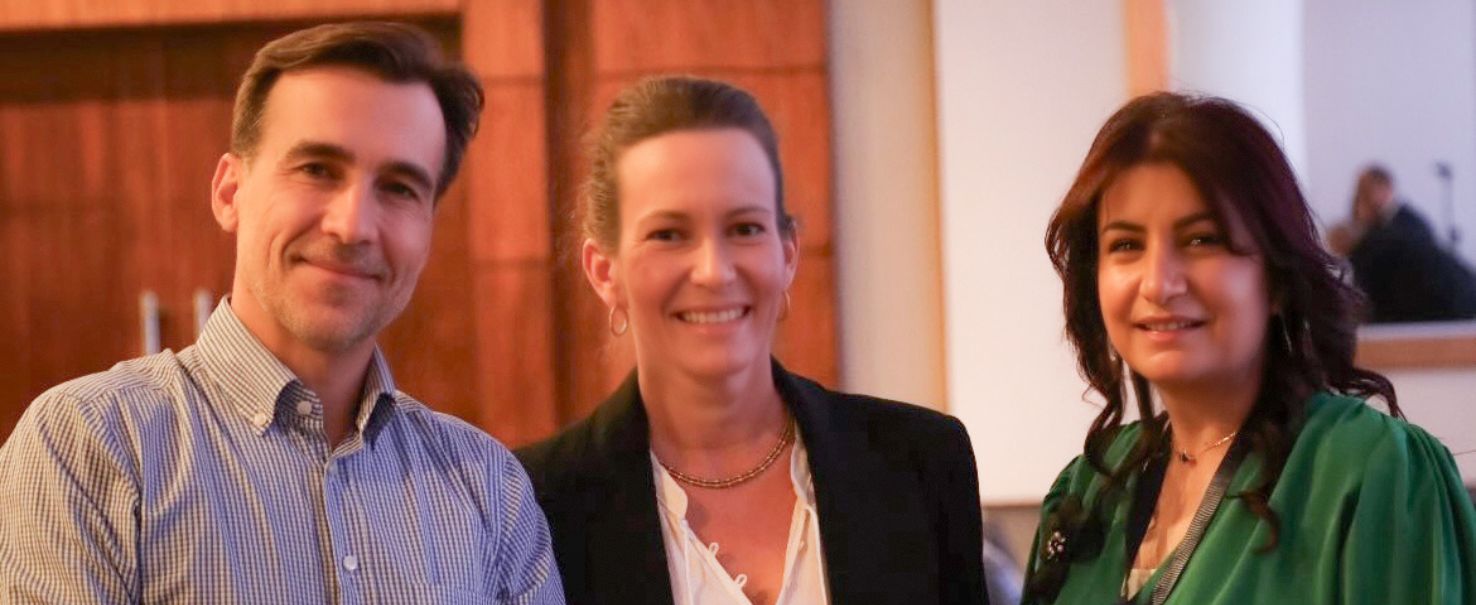
On my third day of teaching in Amman, Jordan, in July 2024, for the ESPEN Life-Long Learning (LLL) Programme of the European Society for Clinical Nutrition and Metabolism, I turned to a topic that is still too often overlooked: physical activity and exercise training in people living with cancer.
 For a long time, patients were simply told to rest. Today we know that, for most people, the opposite is true: moving, in the right way and at the right dose, is part of the treatment.
1. When the body wastes away: cancer cachexia
The word “cachexia” comes from the Greek “kakos” and “hexis”, meaning “poor physical state”. It describes the weakness and wasting of the body that can come with severe chronic illness, including cancer.
In cancer, cachexia is a complex syndrome defined by an ongoing loss of skeletal muscle mass, with or without loss of fat mass. It is often accompanied by inflammation, loss of appetite, anaemia and weakness. Importantly, it can be partly, but not entirely, reversed by conventional nutritional support.
What makes cachexia different from ordinary weight loss is that it happens without trying. Cancer causes the immune system to release chemicals called cytokines into the blood, which create inflammation. This inflammation makes the body burn more energy than it should, so it breaks down muscle and fat to fuel itself. Patients can become very weak, and more vulnerable to infections.
Cachexia is also different from anorexia, the loss of appetite and food intake. With anorexia, people lose mostly fat at first, and only with a weight loss of some 25% or more do they lose a lot of muscle too. With anorexia, on the other hand, eating more or taking nutritional supplements helps regain the weight. With cachexia, food alone is not enough.
2. Cancer affects the whole of physical function
Cancer and most anti-cancer treatments reduce physical function and independence. Physical function is not only about cardiorespiratory fitness, the ability to deliver oxygen from the air to the muscles to produce energy. It also depends on muscular fitness, what the muscles can do with that oxygen once it arrives, and on how well we tolerate breathlessness and fatigue.
Muscular fitness is often already reduced at the time of diagnosis, because of age, lifestyle and other illnesses. Cachexia then changes both the quantity and the quality of muscle, meaning how much force each unit of muscle can produce. The result is a faster loss of independence in everyday life.
3. Exercise is safe, and it helps
Physical activity and exercise are safe and acceptable before, during and after cancer treatment, across all cancer types. During and after treatment, exercise is associated with improvements in both physical and psychological outcomes: better fitness, less fatigue, less anxiety and depression, better sleep and a better quality of life.
Higher levels of physical activity are also generally associated with a lower risk of dying in survivors of breast, colon and prostate cancer. This link is biologically plausible, through effects on sex hormones, inflammation, immune function and antioxidant pathways. Exercise training may also reduce some side effects of chemotherapy and help more patients complete their treatment. However, the side effects of anti-cancer treatment can sometimes limit how much fitness and muscle strength patients gain from training.
4. The right exercise, at the right dose
The full potential of exercise is most likely to be reached with a careful, individual prescription. As a long-term goal, the American College of Sports Medicine recommends at least 150 minutes of moderate or 75 minutes of vigorous exercise per week. Patients who already reach this level should keep it up during therapy, or ideally increase it by varying how often, how hard, how long and what kind of exercise they do. Those who are not yet there start with a gentle introductory programme and build up step by step.
Most studies have used moderate aerobic training, such as walking or cycling, about three times a week. Adding resistance exercise, which targets muscle strength and mass, is particularly relevant in cachexia, where weak muscles directly limit daily life. Resistance training is usually added once aerobic exercise has become a habit.
Combining the results of 28 trials, one large analysis showed that exercise clearly improved upper and lower body muscle strength and lower body function. The effects were larger when sessions were supervised, when resistance exercise was included, and when sessions lasted more than 60 minutes. In other words, there is a dose-response: more, and better guided, exercise brings more benefit.
5. Exercise and nutrition belong together
In people with incurable cancer, cachexia is so common that any rehabilitation programme should also include nutritional support. Patients who started with a better nutritional or physical condition, and with less inflammation, were more likely to complete such combined programmes.
6. Safety first
Exercise must be adapted to each person’s situation. High-intensity activity should be avoided when the immune system is weakened, or during severe pain, fatigue or fragile bone health. Chemotherapy can lower the number of neutrophils, the white blood cells that fight infection, a condition called neutropenia. It can also lower platelets, the blood cells that help wounds close, a condition called thrombocytopenia. In such situations, training should be limited and guided by a physician, and extra care taken to avoid infections and injuries.
7. What stands in the way
How physical activity is proposed to patients makes a real difference. Symptoms such as breathlessness and fatigue can discourage them, especially if they get worse during or after activity. Many patients lack confidence about how to exercise safely and fear overdoing it, causing harm or making the disease progress.
Simple programmes, with walking as the main activity, can be very useful. Home and community programmes can help without the need for specialist centres, and group programmes in the community tend to work better than exercising alone at home.
Professionals matter too. Many clinicians feel they lack knowledge about the benefits and risks of exercise, and some do not realise how much it can help, especially patients with a poor prognosis. Brief goal setting and clear instructions on what to do can help patients reach the recommendations.
Moving forward
Cancer affects not only the body, but also how we feel and live. Supporting patients means bringing together the three pillars that guide all my work: nutrition, physical activity and emotions.
My warm thanks to ESPEN and to all the participants in Amman for three inspiring days of teaching. If you would like me to speak at your event or organisation, write to me at melzer@equiliberty.org.
Be balanced, be free